

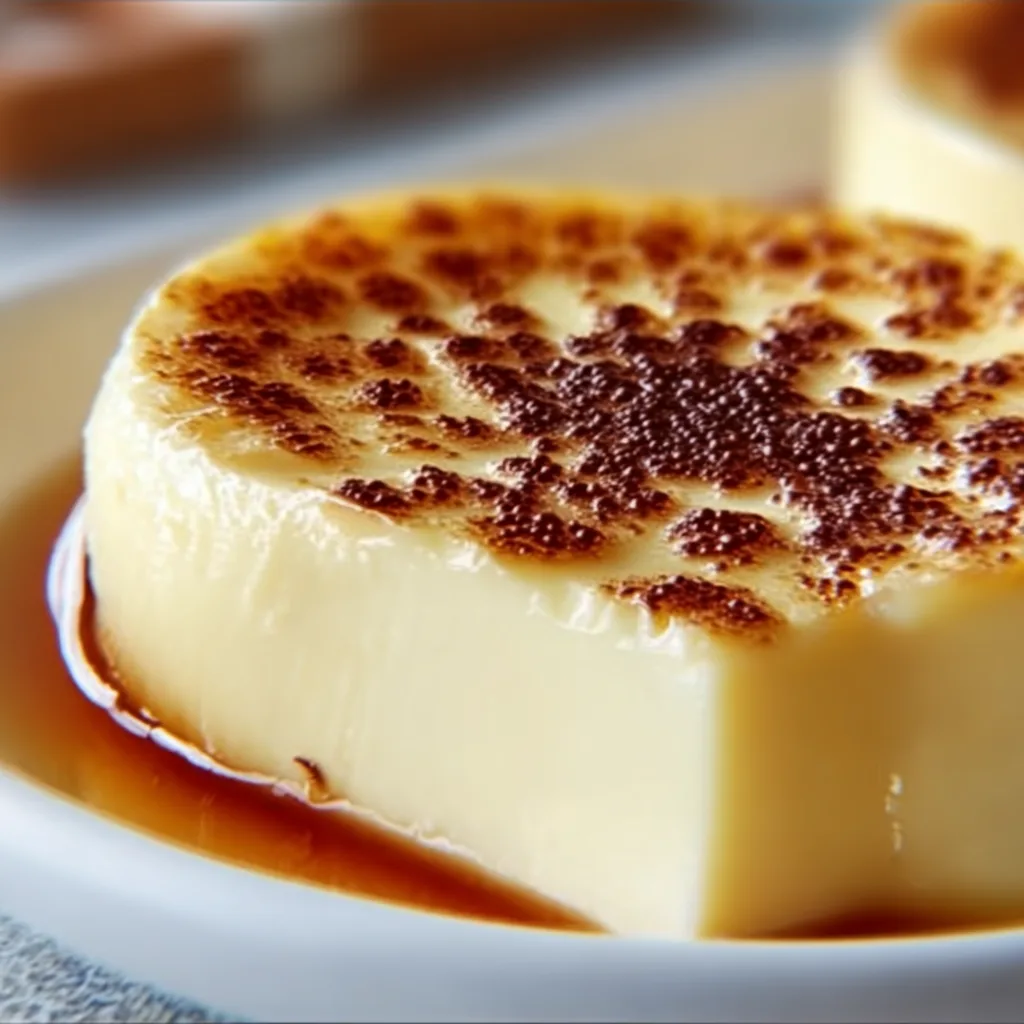
There’s something deeply nostalgic about a Classic Baked Milk Pudding that makes my heart flutter with anticipation. The gentle aroma of vanilla-infused milk swirling through the kitchen, the delicate wobble as you slide a spoon through its silky surface—pure comfort in every bite. This timeless dessert has graced family tables for generations, and for good reason! With just a handful of pantry staples, you can create a dessert that feels like a warm hug. I’ve perfected this recipe over countless Sunday afternoons, and I’m thrilled to share all my secrets with you at Treatiful.
Table of Contents
Recipe
Print
Classic Baked Milk Pudding Recipe
- Prep Time: 10 minutes
- Cook Time: 1 hour
- Total Time: 1 hour 10 minutes
- Yield: 6 servings
- Category: Dessert
- Method: Baking
- Cuisine: American
- Diet: Vegetarian
Description
Classic Baked Milk Pudding Recipe is a creamy, easy, and comforting dessert packed with rich milk custard, warm vanilla flavor, and a silky smooth texture. This simple baked pudding delivers old-fashioned homemade goodness perfect for family desserts, holidays, or cozy sweet cravings.
Ingredients
4 cups whole milk
4 large eggs
3/4 cup granulated sugar
1 teaspoon vanilla extract
1/4 teaspoon salt
1 tablespoon cornstarch
1/4 teaspoon nutmeg for topping
Butter for greasing baking dish
Instructions
1. Preheat the oven to 325 degrees Fahrenheit.
2. Lightly grease a baking dish with butter.
3. Whisk eggs and granulated sugar in a large bowl until smooth.
4. Add cornstarch and salt, then whisk until fully combined.
5. Pour in whole milk and vanilla extract slowly while whisking continuously.
6. Pour the pudding mixture into the prepared baking dish.
7. Sprinkle nutmeg evenly over the top.
8. Place the baking dish into a larger roasting pan.
9. Fill the roasting pan halfway with hot water to create a water bath.
10. Bake for 50 to 60 minutes until the pudding becomes lightly set with a slight jiggle in the center.
11. Remove the baking dish carefully from the water bath.
12. Cool slightly before serving warm or chilled.
Notes
Whole milk creates the creamiest texture for this pudding.
Do not overbake because the pudding continues setting while cooling.
Freshly grated nutmeg adds the best flavor.
Serve with whipped cream or fresh berries if desired.
Store leftovers covered in the refrigerator for up to 3 days.
Why You’ll Love This Classic Baked Milk Pudding
Perfect Simplicity in Every Spoonful
There’s a magical transformation that happens when simple ingredients come together in this pudding. The first time I watched milk, eggs, and sugar turn into this velvety custard, I was completely smitten. The texture is what makes this dessert truly special—firm enough to hold its shape but still trembling with tenderness when touched. What I adore most is how the top develops a subtle golden crust while hiding the creamy dreaminess beneath. It’s the perfect balance of richness and lightness that makes you close your eyes with every bite.
Budget-Friendly Elegance
Don’t let the humble ingredients fool you—this Classic Baked Milk Pudding delivers extraordinary results with ordinary components. I love that I can whip this up without a special trip to the store. The pantry staples transform into something that feels worthy of a fancy restaurant dessert menu. When unexpected guests arrive, this is my secret weapon. It costs pennies per serving but tastes like a million dollars. Plus, the hands-on time is minimal—just a quick mix and into the oven it goes, leaving you free to focus on the rest of your meal.
Essential Tips & Tricks
Mastering the Water Bath
The water bath (or bain-marie) is absolutely non-negotiable for achieving that perfect silky texture. I learned this the hard way after several disappointing attempts! The gentle, consistent heat prevents those dreaded curdled edges and ensures even cooking throughout. Make sure your water comes halfway up the sides of your pudding dish, and always use hot water to start. I find that wrapping the bottom of my baking dish with foil prevents any sneaky water from seeping in. For a foolproof approach, place your filled pudding dish in the larger pan before adding the water to avoid splashing.
The Secret to Silky Smoothness
The difference between good and extraordinary milk pudding lies in how you incorporate the ingredients. Always warm the milk before mixing—cold milk creates lumps that never fully incorporate. I like to infuse my warm milk with a vanilla bean for 15 minutes before straining and proceeding. Another game-changer? Let your eggs come to room temperature and whisk them thoroughly with the sugar until slightly pale before adding the milk. This creates that incomparable velvety finish that makes this Classic Baked Milk Pudding so irresistible.
Serving Ideas & Creative Variations
Seasonal Fruit Pairings
Nothing complements the delicate flavor of Classic Baked Milk Pudding quite like fresh seasonal fruits. In summer, I love topping each serving with juicy berries that provide a beautiful color contrast and tangy counterpoint. For fall, warm spiced apple compote creates a cozy combination that’s simply divine. The natural sweetness of ripe peaches in late summer makes for an elegant pairing, while winter citrus segments add a refreshing brightness. The warm pudding against cool fruit creates that perfect temperature contrast that makes each bite more interesting than the last.
Global Flavor Inspirations
While the classic version is perfection, I love experimenting with global flavor profiles that transform this humble pudding into something unexpected. Add a pinch of cardamom and rose water for a Middle Eastern twist that pairs beautifully with pistachios and honey. For a tropical vacation in a bowl, infuse the milk with lemongrass and coconut. Spanish-inspired pudding with a hint of cinnamon and orange zest topped with caramelized sugar creates a crème brûlée effect that’s absolutely swoon-worthy. The possibilities are endless!
Storage & Troubleshooting Guide
Proper Cooling and Storage
The key to successfully storing your Classic Baked Milk Pudding is proper cooling. Always allow it to come to room temperature before refrigerating to prevent condensation from forming on top. I like to place a piece of plastic wrap directly on the surface to prevent that dreaded skin from forming—unless you’re like my grandmother who considers it the best part! The pudding will keep beautifully for up to 3 days in the refrigerator, though the texture is at its absolute peak within the first 24 hours. For individual servings, small ramekins make storage easier and create perfect portions.
Fixing Common Mishaps
Even experienced bakers occasionally encounter pudding problems, but most are easily fixed! If you notice small lumps forming during mixing, simply strain the mixture through a fine-mesh sieve before baking. For a pudding that’s slightly overcooked and has separated, let it cool completely, then blend it briefly with a tablespoon of cold milk to restore smoothness. If your pudding hasn’t set properly after cooling, transform it into a delicious sauce for pound cake or fresh fruit. Remember that even imperfect pudding is still delicious pudding—embrace the learning process!
Frequently Asked Questions
What’s the difference between baked milk pudding and stovetop pudding?
Classic Baked Milk Pudding has a firmer, custard-like texture with a delicate top crust. Stovetop versions tend to be looser and creamier. The baking process also develops deeper flavor notes that you can’t achieve on the stovetop.
Can I make this pudding ahead for a dinner party?
Absolutely! Make it up to 24 hours ahead and keep refrigerated. Let it sit at room temperature for 15 minutes before serving for the best texture and flavor experience.
My pudding has tiny bubbles on top after baking. What went wrong?
Those bubbles form when the oven temperature is too high. Next time, lower your temperature by 25°F and bake a bit longer. They’re harmless though—just a cosmetic issue!
Can I make Classic Baked Milk Pudding dairy-free?
Yes! Substitute full-fat coconut milk or oat milk for traditional dairy. Coconut milk creates a tropical flavor profile, while oat milk stays closest to the original taste.
Why does my pudding crack on top sometimes?
Cracks usually indicate overbaking or cooling too quickly. Use a water bath, bake until just set with a slight wobble in the center, and cool gradually at room temperature.
Final Thoughts
This Classic Baked Milk Pudding has been my faithful companion through countless dinner parties and cozy nights at home. There’s something deeply satisfying about creating such sublime deliciousness from humble ingredients. The gentle wobble, the silky mouthfeel, and that first warm, vanilla-scented bite never fail to bring smiles. I hope you’ll add this recipe to your collection of comfort classics and make it your own. For more delicious inspiration, check out my Pinterest collection where I’m always adding new favorites!