

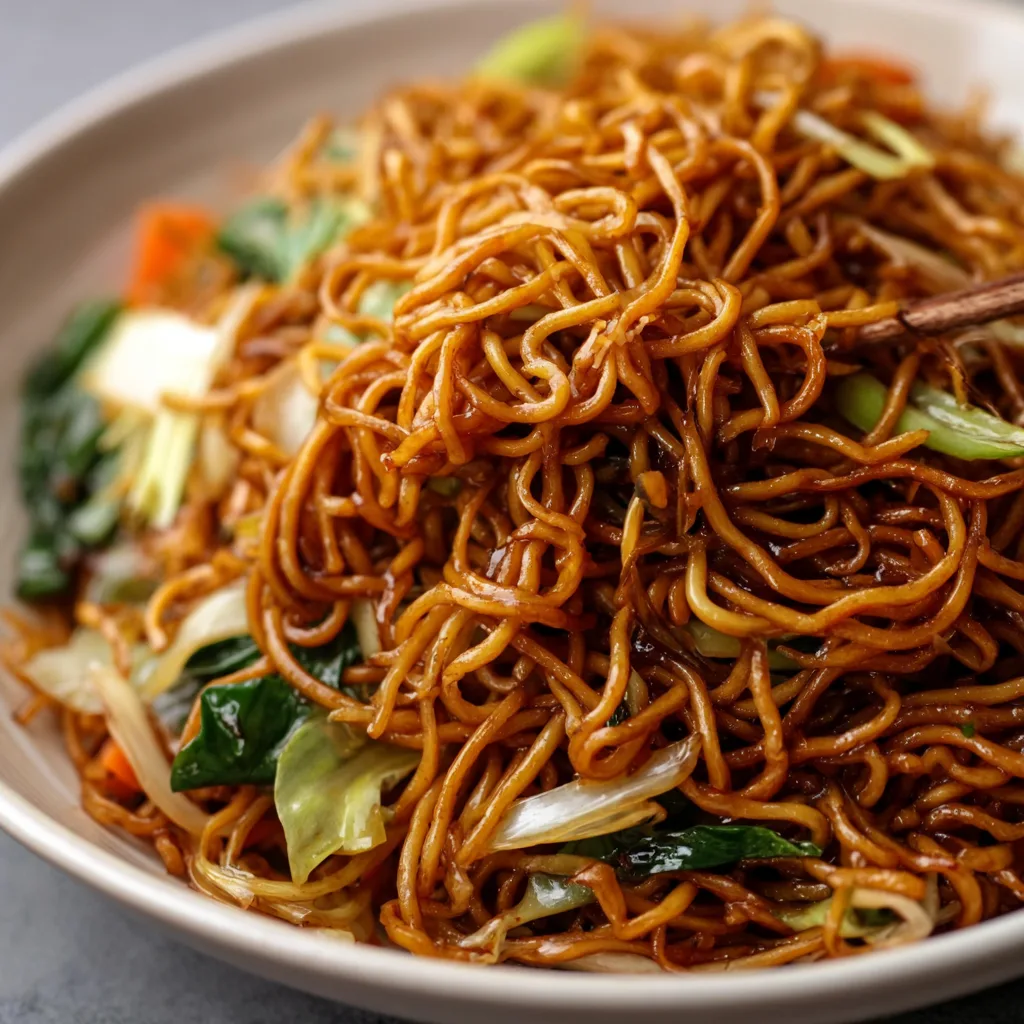
Cantonese Soy Sauce Chow Mein has been my go-to comfort meal since I discovered it during a rainy weekend in San Francisco’s Chinatown. The glossy noodles, perfectly caramelized with that rich soy sauce, create a symphony of umami that dances on your tongue. I love how the vegetables retain their crunch while the noodles soak up all that savory goodness. Unlike other noodle dishes, this classic Cantonese staple relies on simplicity – letting quality ingredients and proper technique shine. Ready to transform your dinner routine with this takeout favorite?
Table of Contents
Recipe
Print
Authentic Cantonese Soy Sauce Chow Mein Recipe
- Prep Time: 15 minutes
- Cook Time: 15 minutes
- Total Time: 30 minutes
- Yield: 4 servings
- Category: Dinner
- Method: Stir-Fry
- Cuisine: Chinese
- Diet: Vegetarian
Description
This authentic Cantonese soy sauce chow mein recipe features perfectly stir-fried noodles with savory soy sauce, crisp vegetables, and classic Chinese flavors.
Ingredients
8 ounces chow mein noodles
2 tablespoons vegetable oil
2 cloves garlic, minced
1/2 cup sliced onion
1 cup bean sprouts
1/2 cup shredded cabbage
2 green onions, sliced
Sauce:
2 tablespoons light soy sauce
1 tablespoon dark soy sauce
1 teaspoon oyster sauce
1 teaspoon sugar
1/2 teaspoon sesame oil
1/4 teaspoon white pepper
Instructions
1. Cook chow mein noodles according to package instructions, then drain and set aside.
2. Heat vegetable oil in a wok or large pan over high heat.
3. Add garlic and cook for 30 seconds until fragrant.
4. Add onion and stir-fry for 1 to 2 minutes.
5. Add cabbage and cook until slightly softened.
6. Add cooked noodles to the pan.
7. In a small bowl, mix all sauce ingredients.
8. Pour sauce over noodles and toss well to coat.
9. Add bean sprouts and green onions.
10. Stir-fry for another 2 to 3 minutes until everything is heated through.
11. Serve hot.
Notes
Use high heat for authentic wok flavor.
Do not overcook vegetables to keep them crisp.
Add chicken, shrimp, or beef for extra protein.
Use fresh egg noodles for best texture.
Why You’ll Love This Cantonese Soy Sauce Chow Mein
A Perfect Balance of Flavors and Textures
There’s something magical about the way these noodles transform in the wok. The caramelization happens when the soy sauce meets high heat, creating those delicious crispy bits that make you close your eyes with each bite. I adore how the sauce clings to each strand, delivering the perfect balance of salty, sweet, and umami in every mouthful. The vegetables add freshness and crunch, while the noodles develop that signature wok hei – that elusive “breath of the wok” flavor that makes restaurant-quality Chinese food so irresistible. It’s comfort food that feels both indulgent and light.
Quick, Adaptable, and Budget-Friendly
This dish comes together in less than 30 minutes, making it perfect for busy weeknights when you’re craving something satisfying but don’t have hours to spend in the kitchen. The beauty lies in its adaptability – use whatever protein you have on hand (chicken, beef, shrimp, or tofu all work beautifully), and clean out your vegetable drawer with confidence. I’ve made this with everything from bell peppers to snow peas to leftover broccoli. The ingredients are affordable pantry staples, and the results taste like you spent way more than you actually did – always a win in my book!
Essential Tips & Tricks
Mastering the Noodles
The secret to restaurant-quality chow mein starts with choosing the right noodles. Look for fresh egg noodles in the refrigerated section of Asian markets – they have that perfect chewy texture that dried varieties can’t match. If you can only find dried, follow package instructions but undercook them slightly by about a minute. They’ll finish cooking in the wok. Another game-changer? Rinse cooked noodles under cold water immediately to stop the cooking process and remove excess starch. This prevents clumping and gives you those beautiful, distinct strands that soak up sauce perfectly. I learned this trick from an elderly Chinese grandmother who watched me struggling at the Asian grocery.
The Art of Wok Cooking
The magic of chow mein happens in the final toss – when everything comes together in a sizzling dance. Start by cooking your protein and removing it from the wok. Then stir-fry aromatics and vegetables in stages, adding the hardest vegetables first. When everything is nearly done, return your protein, add your noodles and sauce, and toss continuously with chopsticks or tongs. The key is high heat and constant movement. Don’t overcrowd your wok – if necessary, cook in batches. This ensures everything caramelizes rather than steams, giving you that coveted smoky wok flavor that makes this dish absolutely irresistible.
Serving Ideas & Creative Variations
Perfect Pairings
Serve your chow mein family-style on a large platter with small bowls of chili oil and extra soy sauce on the side. For a complete meal, I love pairing this with simple sides like steamed dumplings or a light cucumber salad dressed with rice vinegar and sesame oil. For special occasions, add crispy spring rolls for that restaurant experience at home. Don’t forget a sprinkle of toasted sesame seeds and thinly sliced green onions on top – these final touches add freshness and visual appeal that elevates the entire dish. The contrast of textures and flavors creates a balanced meal that satisfies every craving.
Regional and Dietary Adaptations
While traditional Cantonese soy sauce chow mein features egg noodles, you can easily make this gluten-free by substituting rice noodles or even spiralized vegetables. For a spicier Sichuan-inspired version, add doubanjiang (fermented broad bean paste) and Sichuan peppercorns. Vegetarians can skip the meat entirely and bulk up with mushrooms – shiitakes add wonderful umami depth. For a Korean twist, finish with a drizzle of gochujang mixed with honey. I’ve even made a fusion version with Italian influences, adding a touch of butter and fresh herbs at the end. The versatility is endless!
Storage & Troubleshooting Guide
Keeping Leftovers Fresh
Leftover Cantonese Soy Sauce Chow Mein will keep in an airtight container in the refrigerator for up to 3 days, though the noodles will soften over time. To revive leftovers, sprinkle a few drops of water before reheating in a hot skillet rather than the microwave – this brings back some of the original texture and prevents the noodles from becoming mushy. For meal prep, consider keeping the components separate: store cooked proteins, vegetables, and noodles in different containers, then combine and sauce them just before serving. This approach maintains the perfect texture and makes your weekday lunches something to look forward to.
Fixing Common Mistakes
If your noodles clump together, don’t panic! Add a tablespoon of neutral oil to your wok, increase the heat, and keep tossing – they’ll gradually separate. Too salty? Balance with a squeeze of fresh lime juice or a drizzle of honey. Not flavorful enough? A splash of fish sauce or a sprinkle of MSG works wonders (yes, in modest amounts, MSG is perfectly safe and authentically used in Chinese cooking). If your vegetables ended up too soft, add fresh ones like bean sprouts or thinly sliced cabbage at the very end for contrast. Remember that wok cooking is forgiving – most issues can be fixed with heat adjustment and a few strategic additions.
Frequently Asked Questions
What makes Cantonese Soy Sauce Chow Mein different from other noodle dishes?
Cantonese Soy Sauce Chow Mein focuses on the caramelization of noodles in soy sauce rather than a thick sauce. The noodles themselves are the star, with a distinctive wok-charred flavor and chewy texture that sets them apart from saucier noodle dishes.
Can I make this dish ahead of time?
Yes! Cook all components but undercook the noodles slightly. Store separately in the refrigerator for up to 2 days, then combine and finish cooking in a hot wok just before serving for the freshest taste and texture.
What’s the best protein to use in Cantonese Soy Sauce Chow Mein?
Traditional versions often use shrimp, char siu pork, or chicken, but the beauty of this dish is its versatility. Use whatever protein you prefer or have on hand – even tofu works beautifully for a vegetarian version.
How do I prevent my noodles from sticking together?
Rinse cooked noodles under cold water to remove excess starch, then toss with a teaspoon of oil. When adding to the wok, ensure it’s very hot and keep the noodles moving constantly with tongs or chopsticks.
Can I use regular soy sauce instead of dark soy sauce?
You can, but the flavor profile will be different. Dark soy sauce provides color and depth, while regular soy sauce is saltier. Ideally, use a combination of both for authentic flavor and that beautiful caramelized color.
Final Thoughts
Cantonese Soy Sauce Chow Mein reminds us that sometimes the simplest dishes are the most satisfying. There’s a reason this humble noodle dish has stood the test of time – when made with care, it delivers comfort and flavor that rivals far more complex recipes. I hope you’ll embrace the process, from the sizzle of the wok to the final toss of the noodles. For more Asian-inspired recipes that bring restaurant flavors home, visit my Pinterest collection. Now go heat up that wok and create some magic!