

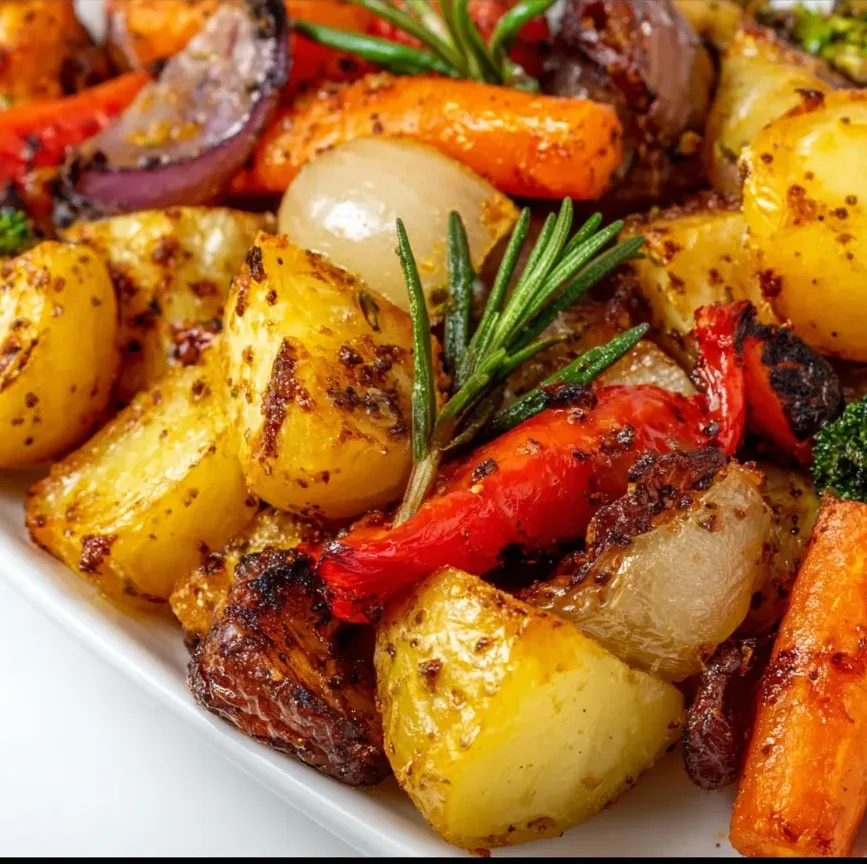
There’s something magical about perfectly roasted vegetables that makes my heart sing. Learning how to roast vegetables to perfection transformed my cooking journey and opened up a world of flavor possibilities. That caramelized exterior, the tender interior, and those concentrated flavors that only proper roasting can achieve! Today, I’m sharing my tried-and-true method that turns ordinary veggies into extraordinary side dishes (or even main attractions). Whether you’re a roasting novice or looking to elevate your veggie game, these tips will help you achieve that restaurant-quality result every single time.
Table of Contents
Recipe
Print
How to Roast Vegetables to Perfection
- Prep Time: 10 minutes
- Cook Time: 25 minutes
- Total Time: 35 minutes
- Yield: 4 servings
- Category: Side Dish
- Method: Roasting
- Cuisine: Healthy
- Diet: Vegan
Description
This guide shows how to roast vegetables to perfection with crispy edges and rich flavor. Using simple ingredients and easy techniques, you can transform everyday vegetables into a delicious and healthy side dish.
Ingredients
2 cups mixed vegetables (carrots, broccoli, bell peppers, zucchini, potatoes)
2 tablespoons olive oil
1/2 teaspoon salt
1/2 teaspoon black pepper
1/2 teaspoon garlic powder
1/2 teaspoon paprika
1/2 teaspoon dried herbs (thyme or rosemary)
1 tablespoon lemon juice (optional)
Instructions
1. Preheat oven to 425°F (220°C).
2. Wash and chop vegetables into evenly sized pieces for even cooking.
3. Pat vegetables dry with a towel to remove excess moisture.
4. Place vegetables in a large bowl.
5. Drizzle with olive oil and toss to coat evenly.
6. Add salt, black pepper, garlic powder, paprika and dried herbs.
7. Mix well until vegetables are evenly seasoned.
8. Spread vegetables in a single layer on a baking sheet.
9. Do not overcrowd the pan to ensure crispiness.
10. Roast for 20–30 minutes, flipping halfway through, until vegetables are tender and caramelized.
11. Remove from oven and drizzle with lemon juice if desired.
12. Serve warm.
Notes
High heat helps achieve crispy roasted vegetables.
Do not overcrowd the pan or vegetables will steam instead of roast.
Root vegetables take longer to cook than soft vegetables.
Use parchment paper for easier cleanup.
Why You’ll Love This Roast Vegetables to Perfection
A Flavor Revolution
When you roast vegetables to perfection, something truly transformative happens. The natural sugars caramelize, creating deep, complex flavors that steaming or boiling simply can’t match. I still remember the first time I properly roasted Brussels sprouts—those crispy, almost-charred edges completely changed my opinion of a vegetable I once avoided! The dry heat concentrates the vegetable’s essence while creating those irresistible browned bits that I find myself picking off the pan before they even reach the table. Plus, the aroma that fills your kitchen? Pure comfort that signals something amazing is about to happen.
Effortless Elegance
What I adore most about mastering how to roast vegetables is the beautiful simplicity-to-reward ratio. With minimal prep and hands-off cooking time, you get maximum flavor payoff. Just chop, toss with oil and seasonings, spread on a pan, and let your oven work its magic. I love that I can prep a big batch while my main dish cooks, making weeknight dinners feel special without extra effort. The visual appeal is undeniable too—those caramelized edges and vibrant colors make even humble carrots and parsnips look like they belong in a food magazine spread. Effortless yet impressive!
Essential Tips & Tricks
The Perfect Cut Matters
The way you cut your vegetables directly impacts how evenly they’ll roast. I’ve learned that uniform size is crucial—aim for pieces that are similar in dimension so they cook at the same rate. For dense root vegetables like carrots or potatoes, I cut them into 1-inch chunks. Softer vegetables like bell peppers can be slightly larger. Remember that smaller cuts cook faster and develop more caramelized surfaces, while larger pieces maintain more moisture inside. I always consider the vegetable’s natural moisture content too—zucchini needs larger chunks than drier vegetables to prevent mushiness. Thoughtful cutting transforms your roasting results!
Temperature and Timing Secrets
The perfect roasting temperature typically falls between 400-425°F—hot enough to caramelize but not so hot that exteriors burn before interiors cook. For vegetables with higher sugar content like carrots, sweet potatoes, and onions, I lean toward 400°F to prevent burning. Cruciferous vegetables like broccoli and Brussels sprouts can handle 425°F for those delicious crispy edges. Timing varies by vegetable density: tender vegetables like asparagus need just 10-15 minutes, while dense root vegetables require 30-40 minutes. My non-negotiable rule? Always arrange vegetables in a single layer with space between pieces—crowding creates steam instead of caramelization.
Serving Ideas & Creative Variations
Elevate With Finishes
The magic often happens after roasting with finishing touches that elevate your perfectly roasted vegetables from side dish to showstopper. I love adding a splash of acid—a squeeze of lemon, a drizzle of balsamic glaze, or a sprinkle of sumac—which brightens the caramelized flavors. Fresh herbs added post-roasting provide color contrast and aromatic freshness; think chopped parsley, dill, or basil. For textural contrast, try toasted nuts, crispy breadcrumbs, or crumbled cheese. My absolute favorite finish is a quick garlic-herb butter that melts into warm vegetables, creating an instant sauce that’s irresistibly good.
Global Flavor Profiles
Perfectly roasted vegetables provide the ideal canvas for global flavors. Mediterranean-inspired vegetables shine with olive oil, oregano, and lemon zest, finished with crumbled feta. For Asian flair, I toss pre-roasted vegetables with a mixture of sesame oil, soy sauce, and honey, then sprinkle with toasted sesame seeds. Middle Eastern profiles come alive with cumin, coriander, and smoked paprika, finished with tahini drizzle and pomegranate seeds. Indian-spiced roasted cauliflower with curry powder, garam masala, and turmeric creates a vibrant side dish. The beauty is in the experimentation—once you master the basic technique, the flavor possibilities are endless!
Storage & Troubleshooting Guide
Keeping That Perfect Texture
Properly storing roasted vegetables helps maintain their texture integrity even days later. Allow them to cool completely before refrigerating to prevent condensation that leads to sogginess. I store mine in shallow containers with parchment paper between layers to absorb excess moisture. When reheating, avoid the microwave if possible—it creates steam that softens those perfect crispy edges. Instead, a quick blast in a 350°F oven for 5-10 minutes revives that just-roasted quality. For meal prep, I sometimes intentionally undercook vegetables by a few minutes, knowing they’ll finish cooking during reheating for that perfect texture every time.
Solving Common Roasting Problems
If your vegetables aren’t achieving roasting perfection, a few adjustments can help. For soggy vegetables, the most common culprit is overcrowding—use two pans if necessary to give each piece breathing room. If vegetables are burning on the outside while remaining raw inside, your oven temperature is likely too high or pieces are cut unevenly. For vegetables that lack caramelization, check if you’re using enough oil (vegetables should be lightly coated) and ensure your oven is fully preheated. Sometimes the issue is simply the wrong pan—dark metal sheet pans conduct heat better than glass dishes for superior browning and caramelization.
Frequently Asked Questions
What’s the best oil for roasting vegetables to perfection?
Extra virgin olive oil works beautifully for most vegetables. For higher temperature roasting (425°F+), consider avocado oil, which has a higher smoke point. Both impart excellent flavor while creating that perfect caramelized exterior.
Can I roast different vegetables together?
Yes, but group vegetables with similar cooking times. Start dense vegetables like potatoes first, adding quicker-cooking items like asparagus later. Alternatively, cut denser vegetables into smaller pieces to equalize cooking times.
How do I prevent vegetables from sticking to the pan?
Preheat your baking sheet before adding oil-tossed vegetables. Use parchment paper for easy release, but remember it may reduce browning slightly. Silicone mats work well but can sometimes create steam.
Why aren’t my vegetables getting crispy?
Excess moisture prevents crispness. Dry vegetables thoroughly after washing, don’t overcrowd the pan, and use high enough heat (400°F minimum). For extra crispness, add a tablespoon of cornstarch when tossing with oil.
How can I make my roasted vegetables more flavorful?
Season generously with salt before roasting—it draws out moisture and concentrates flavor. Experiment with dried herbs, spice blends, or garlic powder before roasting. For brightness, add fresh herbs, citrus zest, or vinaigrettes after roasting.
Final Thoughts
Learning to roast vegetables to perfection has truly been one of the most rewarding cooking skills I’ve developed. It’s transformed how I approach meal planning and has even converted vegetable skeptics at my dinner table! What I love most is how this simple technique celebrates the natural beauty of seasonal produce while creating dishes that feel both nourishing and indulgent. I hope these tips inspire you to experiment with different vegetables, seasonings, and presentations. Your perfect roasted vegetables await! For more inspiration, check out my Pinterest board dedicated to vegetable recipes that will make your mouth water.