


There’s something magical about the aroma of a One-Pot Slow Cooker Seafood Stew with Shrimp, White Fish and Potatoes simmering away on a chilly afternoon. I’ve perfected this coastal-inspired recipe over countless family gatherings, and it never fails to transport me straight to seaside memories. The combination of tender seafood, hearty potatoes, and aromatic herbs creates a dish that’s both comforting and elegant. This stew requires minimal prep but delivers maximum flavor—exactly the kind of cooking I love most when life gets busy but I still crave something special for dinner.
Table of Contents
Recipe
Print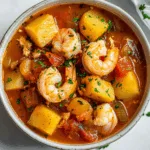
One-Pot Slow Cooker Seafood Stew with Shrimp, White Fish & Potatoes Recipe
- Prep Time: 15 minutes
- Cook Time: 6 hours
- Total Time: 6 hours 15 minutes
- Yield: 4 servings
- Category: Dinner, Seafood, Stew
- Method: Slow Cooker
- Cuisine: Mediterranean-Inspired
Description
This One-Pot Slow Cooker Seafood Stew is packed with tender shrimp, flaky white fish, baby potatoes, and a tomato-garlic broth that’s rich and comforting. An easy, elegant crockpot meal perfect for seafood lovers.
Ingredients
1/2 lb large shrimp, peeled and deveined
1/2 lb white fish (like cod or halibut), cut into chunks
8 baby potatoes, halved
1 small onion, diced
2 cloves garlic, minced
1 (14 oz) can diced tomatoes
1/2 cup dry white wine (or broth)
2 cups seafood stock or chicken broth
1/2 tsp smoked paprika
1/2 tsp dried thyme
Salt and pepper to taste
1 tbsp olive oil
1 tbsp lemon juice
2 tbsp chopped fresh parsley for garnish
Optional: red pepper flakes for heat
Instructions
1. Add potatoes, onion, garlic, tomatoes, wine, broth, paprika, thyme, salt, and pepper to the slow cooker.
2. Drizzle in olive oil and stir gently to combine.
3. Cover and cook on LOW for 5–6 hours, or until potatoes are tender.
4. Add white fish and shrimp in the final 30 minutes of cooking.
5. Continue cooking until fish is opaque and shrimp are pink and cooked through.
6. Stir in lemon juice and adjust seasoning to taste.
7. Ladle into bowls and garnish with fresh parsley and optional chili flakes.
8. Serve hot with crusty bread or over rice.
Notes
Use firm white fish to avoid breakage during cooking.
Swap wine for broth to keep it alcohol-free.
Leftovers reheat well but best enjoyed fresh to keep seafood texture ideal.
Why You’ll Love This One-Pot Slow Cooker Seafood Stew with Shrimp, White Fish and Potatoes
A Symphony of Flavors with Minimal Effort
This stew is a true testament to the magic of slow cooking. The gentle heat allows the aromatic base of onions, garlic, and herbs to slowly infuse the broth, creating layers of flavor that simply can’t be rushed. I love how the tomatoes break down and meld with the white wine, creating a silky, slightly tangy base that perfectly complements the seafood. And the best part? After the initial 15 minutes of prep, your slow cooker does all the work while you enjoy your day. The kitchen fills with that irresistible oceanic aroma that builds anticipation for the meal to come.
Versatile and Budget-Friendly
One of the things I adore about this recipe is its flexibility. You can use whatever seafood looks freshest at your market or fits your budget. Cod, haddock, or pollock all work beautifully as the white fish component. When shrimp is on sale, I stock up and keep some in the freezer specifically for this dish. The humble potato serves as the perfect hearty element that soaks up the flavorful broth while keeping the meal satisfying. I often make this on Sundays when seafood from Friday’s market delivery needs to be used up—it’s a delicious way to practice sustainable cooking.
Essential Tips & Tricks
Timing Is Everything
The key to perfectly cooked seafood is adding it at the right time. Unlike tougher cuts of meat that benefit from hours of slow cooking, seafood needs just enough time to cook through while remaining tender. I always add the white fish and shrimp during the final 30-45 minutes of cooking. This prevents that disappointing rubbery texture that can happen when seafood is overcooked. For extra insurance, I look for the moment when the fish just begins to flake and the shrimp turns pink with opaque flesh. Trust your eyes more than strict timing here—your patience will be rewarded with perfectly tender seafood.
Building Layers of Flavor
The secret to a truly memorable seafood stew lies in the flavor foundation. I always start by sautéing the aromatics (onions, celery, and garlic) before they go into the slow cooker. This extra step caramelizes their natural sugars and releases their essential oils, creating a much more complex flavor profile. Another non-negotiable in my kitchen is using seafood stock rather than plain water or chicken broth. You can find it in most grocery stores, or make your own by simmering shrimp shells and fish trimmings. This simple swap elevates the entire dish with an authentic oceanic depth.
Serving Ideas & Creative Variations
Perfect Pairings for a Complete Meal
This stew truly shines when served with the right accompaniments. My absolute favorite pairing is a crusty loaf of sourdough bread for sopping up every last drop of that flavorful broth. For a special touch, I’ll brush slices with olive oil, sprinkle with flaky salt, and toast them until golden. A simple green salad with a bright lemon vinaigrette provides the perfect contrast to the rich stew. If you’re hosting guests, start with a small cup of the broth as an amuse-bouche while they wait for the main course—it’s these thoughtful touches that make dinner feel like an occasion.
Regional Inspirations to Make It Your Own
While my basic recipe has Mediterranean influences, it’s fun to experiment with regional variations. For a Spanish twist, add a pinch of saffron and stir in some chorizo during the last hour of cooking. The spicy sausage adds a wonderful depth that complements the seafood beautifully. For a New England-inspired version, substitute the white wine with clam juice and add corn kernels alongside the potatoes. Craving something with Asian flair? Try adding lemongrass, ginger, and a splash of coconut milk during the final 30 minutes. Each variation creates an entirely new experience while maintaining the soul-warming comfort of the original.
Storage & Troubleshooting Guide
Keeping Leftovers Fresh and Delicious
Seafood stew is at its absolute best when freshly made, but leftovers can still be wonderful if handled properly. I recommend cooling the stew quickly after serving and refrigerating within two hours. Store it in shallow, airtight containers to ensure rapid cooling throughout. When reheating, do so gently on the stovetop just until warmed through—never boil leftovers as this will toughen the seafood. Interestingly, the flavor often deepens overnight as the ingredients continue to meld, though the texture of the seafood may change slightly. For best quality, enjoy leftovers within 2 days.
Solving Common Stew Dilemmas
If your stew turns out watery, don’t panic! There’s a simple fix: remove about ½ cup of the broth, whisk in a tablespoon of cornstarch until smooth, then stir this slurry back into the stew and cook for another 15-20 minutes. For too-tough seafood, prevention is best—but if it happens, try cutting the overcooked pieces into smaller bits and adding a touch more broth to help mitigate the texture issue. If your stew lacks flavor depth, a splash of fish sauce or a squeeze of lemon juice just before serving can work wonders to brighten and enhance all the existing flavors.
Frequently Asked Questions
Can I use frozen seafood in this stew?
Yes! Thaw shrimp completely before adding, but white fish can go in partially frozen. Just add 10-15 minutes to the final cooking time and check for doneness before serving.
What’s the best slow cooker setting for seafood stew?
Use LOW for the base ingredients (4-5 hours), then switch to HIGH when adding seafood for the final 30-45 minutes for perfect texture.
Can I make One-Pot Slow Cooker Seafood Stew with Shrimp, White Fish and Potatoes ahead of time?
Prepare the base up to a day ahead, refrigerate, then reheat and add seafood 30-45 minutes before serving for the freshest results.
How do I know when the seafood is perfectly cooked?
Fish should flake easily with a fork but still appear moist. Shrimp should be pink, opaque, and slightly curved (not tightly coiled).
Can I freeze leftover seafood stew?
I don’t recommend freezing this stew as seafood textures change significantly when frozen after cooking. Enjoy it fresh for the best experience!
Final Thoughts
This One-Pot Slow Cooker Seafood Stew with Shrimp, White Fish and Potatoes has become my go-to recipe when I want to impress without stress. There’s something deeply satisfying about creating such a flavorful meal with relatively little hands-on time. The way the kitchen fills with those gorgeous aromas as it simmers always makes me feel like I’m caring for my loved ones in the most fundamental way—through nourishing, thoughtfully prepared food. I’d love to see your versions of this stew! Share your creations on Pinterest and tag me so I can admire your coastal-inspired masterpieces.