

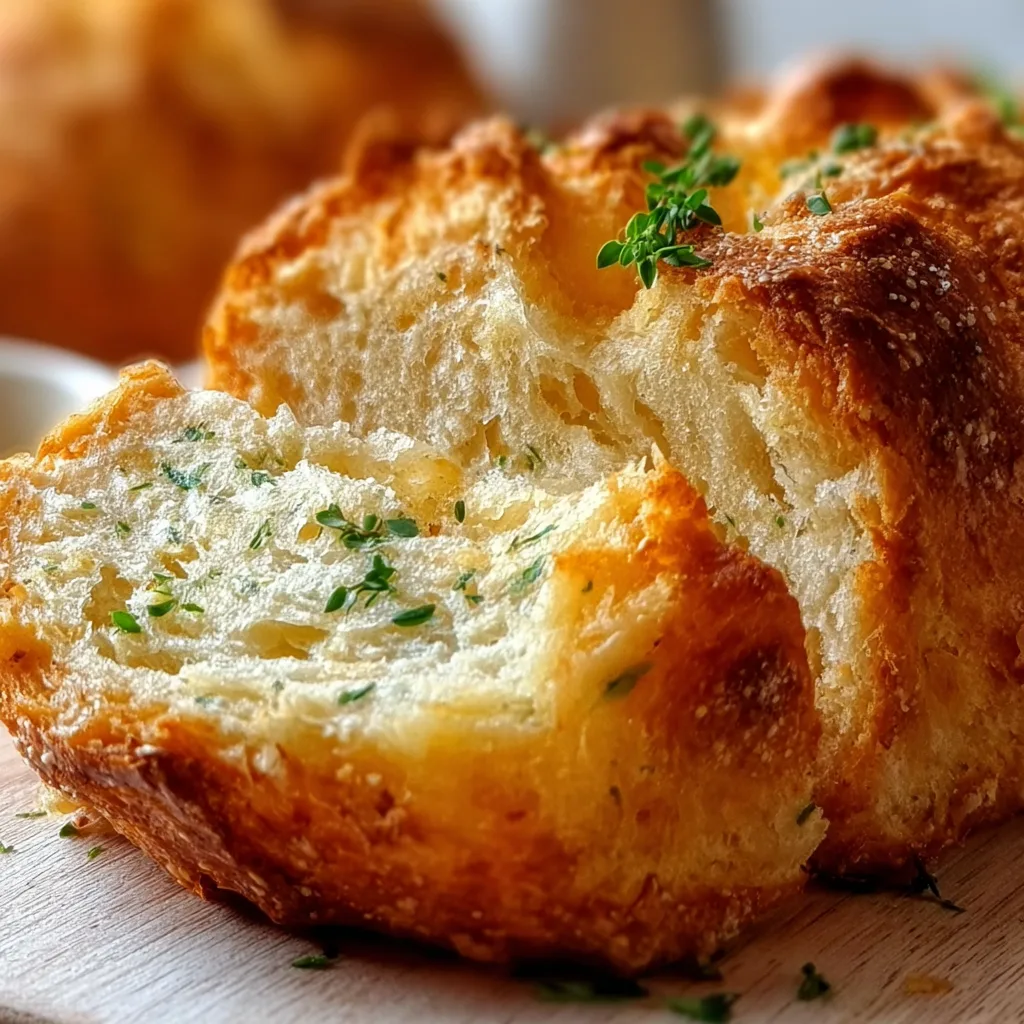
There’s something magical about Irish Potato Bread that warms both kitchen and heart. This humble yet extraordinary creation transforms simple potatoes into a buttery, golden flatbread that’s crispy on the outside and pillowy-soft inside. My grandmother taught me this recipe years ago, and it’s become my go-to comfort food on chilly evenings. The beauty of Irish Potato Bread lies in its simplicity—just a handful of pantry staples create something utterly irresistible. Whether you call it potato farls, fadge, or simply potato bread, this Irish classic deserves a special place in your recipe collection.
Table of Contents
Recipe
Print
Traditional Irish Potato Bread Recipe
- Prep Time: 15 minutes
- Cook Time: 15 minutes
- Total Time: 30 minutes
- Yield: 6 pieces
- Category: Side Dish
- Method: Stovetop
- Cuisine: Irish
- Diet: Vegetarian
Description
This Traditional Irish Potato Bread (Boxty) is soft, hearty, and full of comforting flavor. Made with simple ingredients, it’s a classic Irish dish perfect for breakfast or as a side.
Ingredients
For the Dough:
2 cups grated raw potatoes
1 cup mashed potatoes
1 cup all-purpose flour
1/2 teaspoon baking powder
Salt to taste
For Cooking:
2 tablespoons butter or oil
Optional:
Fresh herbs
Sour cream for serving
Instructions
1. Grate raw potatoes and squeeze out excess moisture.
2. In a bowl, combine grated potatoes, mashed potatoes, flour, baking powder, and salt.
3. Mix until a soft dough forms.
4. Divide into portions and shape into flat rounds.
5. Heat butter or oil in a pan over medium heat.
6. Cook each piece for 4 to 5 minutes per side until golden and cooked through.
7. Serve warm with butter, sour cream, or herbs.
Notes
Squeeze potatoes well to avoid soggy dough.
Cook on medium heat to ensure even cooking.
Serve fresh for best taste and texture.
Great with eggs or as a side dish.
Why You’ll Love This Irish Potato Bread
Perfect Texture Combination
The contrasting textures in Irish Potato Bread are what make it truly special. The exterior develops a gorgeous golden crust when fried in butter, creating a satisfying crispness that gives way to the most tender interior you can imagine. The mashed potatoes create a uniquely soft crumb that’s different from any other bread. I love watching people’s faces light up when they take that first bite—the surprise at how something so simple can taste so extraordinary. This is comfort food at its finest, with a texture that feels like a warm hug.
Versatility Beyond Compare
Irish Potato Bread is wonderfully adaptable for any meal. Serve it alongside eggs and bacon for breakfast, use it as the base for an open-faced sandwich at lunch, or pair it with a hearty beef stew for dinner. The subtle potato flavor provides the perfect canvas for both sweet and savory toppings. I’ve even made miniature versions as appetizers topped with smoked salmon and cream cheese. The leftovers (if you have any!) transform beautifully when toasted the next day, developing even more delicious crispy edges and depth of flavor.
Essential Tips & Tricks
Potato Selection Matters
Choosing the right potato variety makes all the difference in this recipe. Reach for starchy potatoes like Russets or Idaho—their higher starch content creates that perfect fluffy texture we’re after. Avoid waxy varieties like new potatoes, which contain too much moisture and will make your bread gummy. I always cook my potatoes with their skins on, then peel while still warm—this prevents them from absorbing excess water. For the fluffiest texture, rice your potatoes instead of mashing them, allowing steam to escape and preventing a dense final product.
The Perfect Dough Consistency
Achieving the right dough consistency requires attention to detail. The mixture should be soft but not sticky—think of play-dough that holds its shape but still feels pliable. If your dough feels too wet, gradually add more flour, a tablespoon at a time. Conversely, if it’s too dry, a splash of milk will bring it together. The temperature of your ingredients matters too! Work with warm potatoes for easier mixing, but let them cool just enough that they won’t cook the flour into gluey clumps. Handle the dough gently to maintain its light texture.
Serving Ideas & Creative Variations
Traditional Irish Pairings
In Ireland, potato bread is traditionally served as part of an Ulster Fry—a hearty breakfast featuring fried eggs, bacon, sausages, black and white pudding, and sometimes baked beans. The bread soaks up all those delicious flavors while adding its own buttery charm. For a simpler approach, just a slather of good Irish butter and a sprinkle of flaky sea salt lets the bread’s natural flavor shine. I love serving it alongside a creamy soup for dunking—the contrast between the crisp bread and silky soup creates a perfect bite every time.
Modern Twists and Add-Ins
Elevate your Irish Potato Bread with creative additions that complement its natural flavor. Fold in chopped fresh herbs like rosemary, chives, or scallions for a fragrant variation. Add a handful of grated sharp cheddar or Parmesan for a cheesy twist that forms delicious crispy bits when fried. For a breakfast version, try adding a teaspoon of cinnamon and a tablespoon of sugar to the dough, then serve with honey butter. I’ve even made a garlic-parmesan version that’s divine alongside pasta dishes—just mix in roasted garlic and cheese before cooking.
Storage & Troubleshooting Guide
Proper Storage Methods
Irish Potato Bread is best enjoyed fresh and warm, but proper storage can extend its life. Once completely cooled, wrap individual pieces in parchment paper, then place in an airtight container at room temperature for up to two days. For longer storage, freeze the wrapped pieces for up to three months. The freezer method actually works beautifully—just pop frozen pieces directly into a toaster or pan to reheat. If you notice your bread getting slightly stale, sprinkle with a few drops of water before reheating to revive some of that original moisture.
Common Issues and Solutions
The most common troubleshooting issue is bread that falls apart during cooking. This usually happens when the dough is too wet or not enough flour was incorporated. The fix is simple—work in more flour until the dough holds together firmly. If your bread is browning too quickly before cooking through, your heat is too high. The perfect temperature is medium-low, allowing for gentle browning while the interior cooks. Another tip: if your first batch sticks to the pan, clean the surface completely before starting the next batch, and add fresh butter to prevent sticking.
Frequently Asked Questions
Can I use leftover mashed potatoes for Irish Potato Bread?
Yes! Just ensure they’re not too wet or heavily seasoned. Bring to room temperature and adjust flour accordingly as leftover potatoes may need slightly more flour.
Is Irish Potato Bread gluten-free?
Traditional Irish Potato Bread contains wheat flour. For gluten-free versions, substitute a 1:1 gluten-free flour blend, though texture may differ slightly.
How thick should I roll the potato bread?
Aim for about ¼-inch thickness. Too thin and it may break; too thick and the center might remain doughy while the outside browns.
Can I bake Irish Potato Bread instead of frying?
Yes, though you’ll miss the characteristic buttery crust. Bake at 375°F for 15-20 minutes until golden, brushing with melted butter before baking.
What’s the difference between Irish Potato Bread and boxty?
Irish Potato Bread uses cooked mashed potatoes and flour, while boxty combines raw grated potatoes with mashed potatoes for a different texture.
Final Thoughts
Irish Potato Bread represents the beautiful simplicity of traditional cooking—transforming humble ingredients into something truly special. There’s a reason this recipe has endured through generations of Irish families and beyond. The magic happens when butter meets hot pan, creating that irresistible golden crust around the tender potato interior. I hope this recipe brings as much joy to your kitchen as it has to mine. For more comforting recipes that celebrate simple ingredients, visit my Pinterest collection where I share more family favorites with a modern twist.