

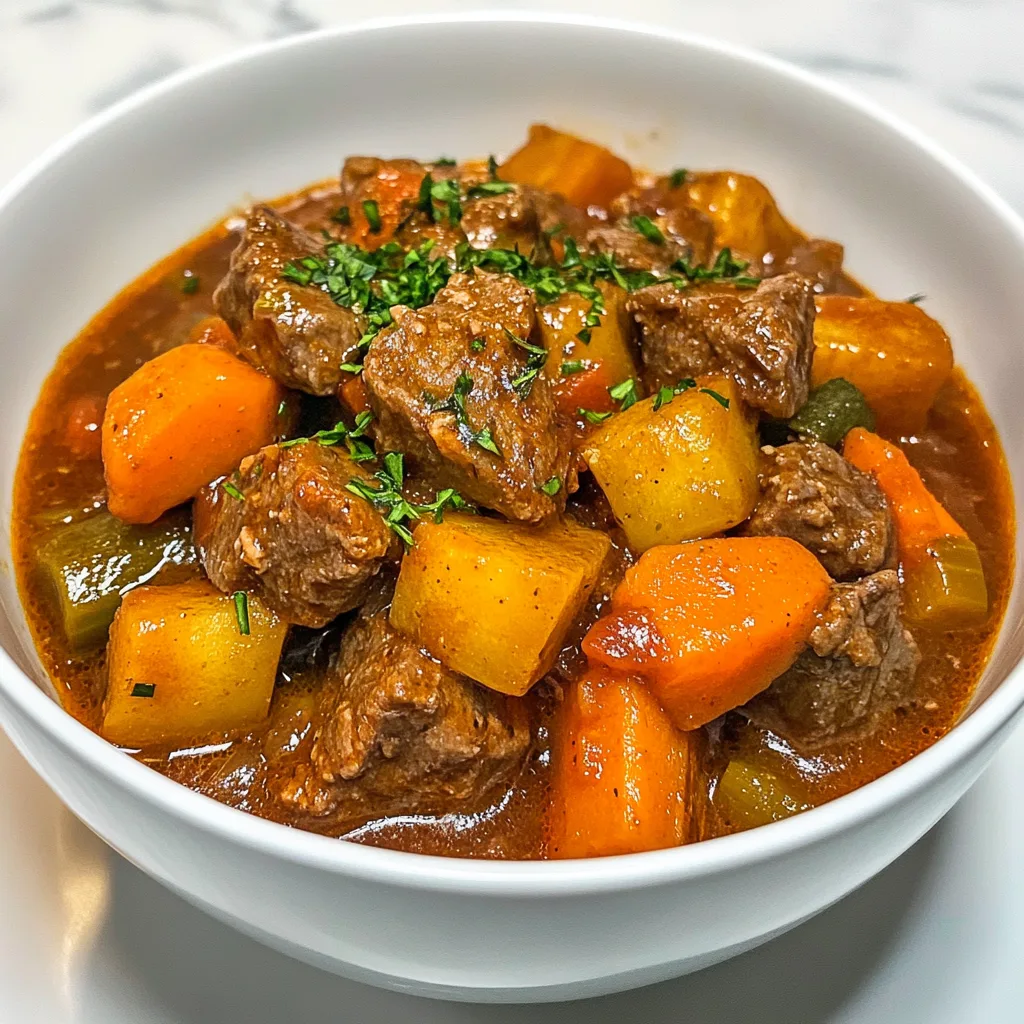
There’s something magical about a pot of gluten-free beef stew with veggies simmering away on a cold afternoon. The rich aroma fills every corner of your home, promising comfort in each spoonful. I’ve spent years perfecting this hearty, nourishing recipe that’s completely free of gluten but packed with flavor. The tender beef chunks, colorful vegetables, and savory broth create a meal that satisfies the soul while accommodating dietary needs. Let me share my favorite version that’s become a staple in my home during the chilly months.
Table of Contents
Recipe
Print
Hearty Gluten-Free Beef Stew with Fresh Veggies | Easy & Delicious Recipe
- Prep Time: 15 minutes
- Cook Time: 2 hours 15 minutes
- Total Time: 2 hours 30 minutes
- Yield: 6 servings
- Category: Dinner, Stew, Gluten-Free
- Method: Stovetop or Slow Cooker
- Cuisine: American Comfort Food
Description
This Hearty Gluten-Free Beef Stew with Fresh Veggies is the ultimate one-pot meal. Packed with tender beef, carrots, potatoes, and herbs, it’s rich, comforting, and perfect for chilly nights or Sunday dinner.
Ingredients
2 lbs beef stew meat (chuck roast), cut into 1-inch cubes
2 tbsp olive oil
1 small onion, diced
3 cloves garlic, minced
3 tbsp gluten-free flour (or cornstarch)
4 cups beef broth (gluten-free)
2 tbsp tomato paste
1 tbsp Worcestershire sauce (gluten-free)
1 tsp dried thyme
1/2 tsp dried rosemary
1 bay leaf
3 carrots, peeled and sliced
3 medium potatoes, cubed
2 celery stalks, sliced
Salt and pepper, to taste
Fresh parsley, for garnish
Instructions
1. In a large pot or Dutch oven, heat olive oil over medium-high heat. Brown beef in batches, 2–3 minutes per side. Transfer to a plate.
2. Reduce heat to medium. Sauté onion and garlic for 2–3 minutes.
3. Stir in gluten-free flour and cook 1 minute. Add tomato paste and stir to coat.
4. Gradually pour in beef broth, stirring constantly to avoid lumps.
5. Add Worcestershire, thyme, rosemary, bay leaf, salt, and pepper.
6. Return beef to the pot. Bring to a simmer, cover, and cook for 1.5 hours, stirring occasionally.
7. Add carrots, potatoes, and celery. Simmer uncovered for another 30–40 minutes until vegetables and beef are tender.
8. Remove bay leaf. Adjust seasoning and serve garnished with parsley.
Notes
Make it in the slow cooker: brown beef and sauté aromatics first, then cook on LOW for 7–8 hours.
Swap potatoes for parsnips or sweet potatoes for a twist.
Stew thickens as it cools—add broth when reheating if needed.
Why You’ll Love This Gluten-Free Beef Stew with Veggies
Perfect for Meal Prep and Freezing
This stew is a meal prepper’s dream! The flavors actually deepen overnight, making it taste even better the next day. I often make a double batch on Sunday afternoons, enjoying some that evening while storing the rest for busy weeknights. The stew freezes beautifully for up to 3 months in airtight containers. Just be sure to cool it completely before freezing, and leave a little space at the top of your container for expansion. When you’re ready to enjoy, simply thaw overnight in the refrigerator and reheat gently on the stovetop.
Adaptable for Different Dietary Needs
Beyond being gluten-free, this stew is incredibly adaptable. Need it dairy-free? Simply skip the optional butter for browning and use olive oil instead. For a paleo version, substitute arrowroot powder for the cornstarch and use bone broth as your liquid base. Watching carbs? Reduce the potatoes and add more low-carb veggies like celery, bell peppers, or green beans. The core flavor profile remains delicious regardless of these modifications. I’ve served this to guests with various dietary restrictions, and it’s always met with requests for the recipe!
Essential Tips & Tricks
Achieving Perfect Beef Texture
The secret to incredibly tender beef is in the preparation. Start with chuck roast cut into 1-inch cubes, and don’t skip the browning step! Working in batches is crucial—overcrowding the pot steams rather than sears the meat. I like to pat the beef dry with paper towels and season generously with salt and pepper before browning. This creates that beautiful caramelization that forms the flavor foundation of your stew. For even more tenderness, try marinating the beef overnight in a mixture of red wine, garlic, and herbs.
Building Layers of Flavor
The depth of flavor in this stew comes from building layers as you cook. After browning the meat, don’t wash the pot! Those browned bits (fond) are flavor gold. Deglaze with a splash of broth or wine, scraping the bottom with a wooden spoon. I always add aromatics like onions, garlic, and herbs early in the cooking process to infuse the oil. For an umami boost, stir in a tablespoon of tomato paste and let it caramelize slightly before adding liquids. Fresh herbs like thyme and bay leaves during cooking, with a sprinkle of parsley at the end, create a perfect flavor balance.
Serving Ideas & Creative Variations
Complementary Side Dishes
This gluten-free beef stew stands beautifully on its own, but thoughtful sides can elevate the meal further. My favorite pairing is a simple gluten-free cornbread with honey butter—perfect for soaking up every last drop of that rich gravy. For lighter options, try a crisp green salad with a bright vinaigrette or steamed green vegetables like broccoli or asparagus. When I’m feeling indulgent, I serve the stew over creamy mashed potatoes or cauliflower for an extra-comforting meal. The contrast of textures makes each bite more interesting.
Regional and Seasonal Adaptations
I love adapting this stew throughout the year using seasonal ingredients. In autumn, I add diced butternut squash and a pinch of cinnamon for warmth. Winter calls for hearty root vegetables like parsnips and turnips. Spring stew might include fresh peas and tender new potatoes, while summer brings opportunities for fresh corn and zucchini. For regional variations, try a Mediterranean twist with olives, rosemary, and a finish of lemon zest, or go Hungarian with paprika and a dollop of dairy-free sour cream. The possibilities are endless while maintaining the gluten-free integrity.
Storage & Troubleshooting Guide
Proper Storage for Maximum Flavor
To maintain both safety and flavor, cool your stew completely before refrigerating, but don’t leave it at room temperature for more than two hours. Store in airtight glass containers rather than plastic to prevent staining and potential flavor transfer. This gluten-free beef stew will keep beautifully in the refrigerator for 3-4 days. When reheating, do so gently over medium-low heat, stirring occasionally. Add a splash of broth if it’s thickened too much during storage. For the best flavor preservation when freezing, consider vacuum-sealing portions or removing as much air as possible from freezer bags.
Fixing Common Stew Problems
Even experienced cooks occasionally encounter stew issues. If your stew is too thin, create a slurry with 1 tablespoon cornstarch mixed with 2 tablespoons cold water, then stir it in while the stew simmers. For stew that’s too thick, simply add more broth until you reach your desired consistency. If the vegetables are overcooked but the meat needs more time, try removing the vegetables with a slotted spoon, continuing to cook the meat, then adding fresh vegetables for the final cooking period. For balanced seasoning, remember that salt levels concentrate as stew reduces—taste and adjust at the end of cooking.
Frequently Asked Questions
Can I make this gluten-free beef stew in a slow cooker?
Absolutely! Brown the meat and sauté aromatics first, then transfer everything to your slow cooker. Cook on low for 7-8 hours or high for 4-5 hours until the beef is tender.
What’s the best cut of beef for stew?
Chuck roast is my favorite for its marbling and flavor. Other good options include bottom round, brisket, or short ribs—any cut with good connective tissue that breaks down during slow cooking.
How can I thicken the stew without gluten?
Cornstarch, arrowroot powder, or potato starch work beautifully. Create a slurry with cold water before adding to avoid lumps. You can also purée some of the cooked vegetables.
Can I add wine to this recipe?
Yes! A dry red wine adds wonderful depth. Add 1/2 cup after browning meat and reduce slightly before adding other liquids.
What makes a beef stew taste bland?
Insufficient seasoning, skipping the browning step, or not using enough aromatics can result in bland stew. Also, adding salt at the end helps brighten all flavors.
Final Thoughts
This gluten-free beef stew with veggies has become my cold-weather comfort food MVP. It’s a testament to how dietary restrictions don’t mean sacrificing flavor or satisfaction. The rich gravy, tender beef, and colorful vegetables create a symphony of tastes that please everyone at my table, regardless of their dietary needs. I’d love to see your versions of this stew—tag me on Pinterest if you make it! Remember, the best stews are made with patience and love, so take your time and enjoy the process.