

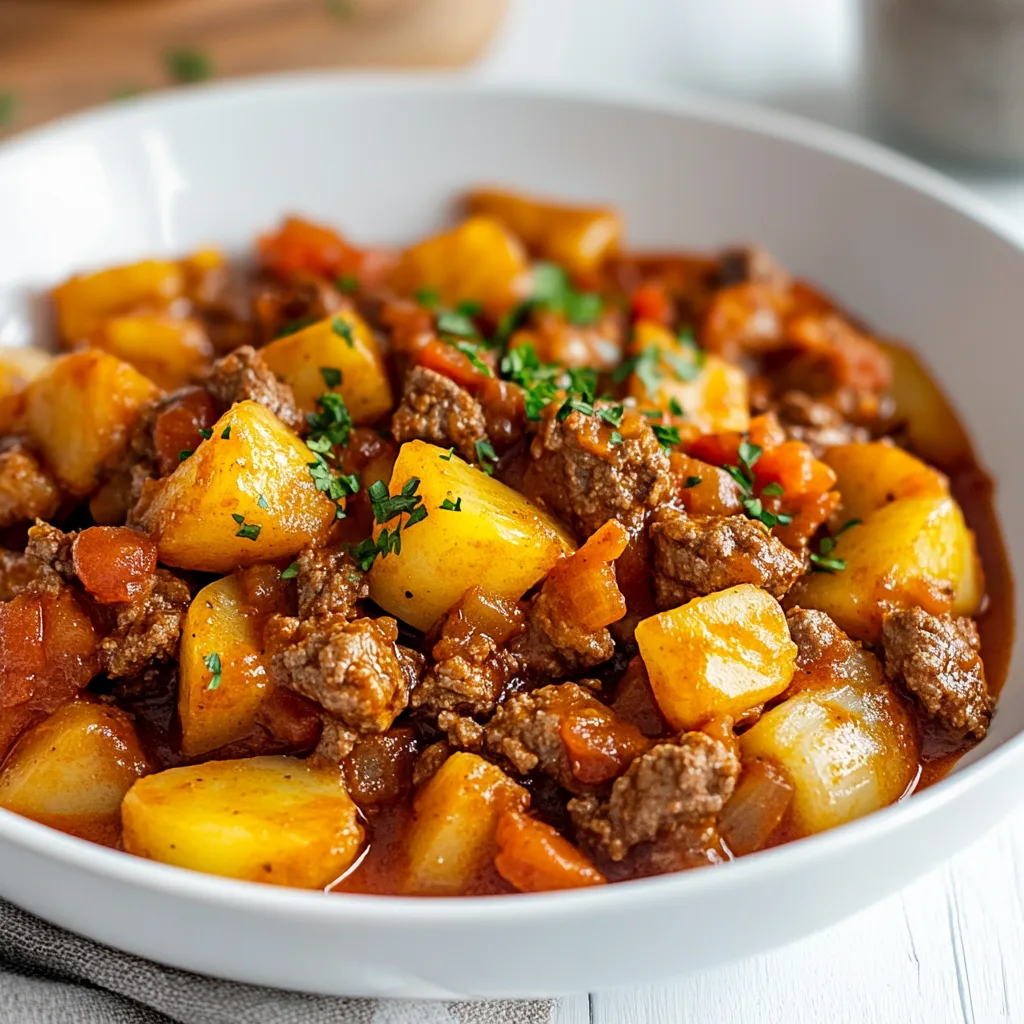
German Goulash Recipes combine hearty beef, aromatic paprika, and slow-simmered vegetables into a soul-warming dish that’s perfect for chilly evenings. I’ve been perfecting my goulash technique for years, and there’s something magical about the way the kitchen fills with that distinctive spiced aroma as it bubbles away. Unlike American versions, authentic German goulash delivers rich, complex flavors with a velvety sauce that begs to be sopped up with crusty bread or ladled over buttery spätzle. If you love deeply satisfying comfort food like my Apple Cider Braised Beef Shoulder, you’ll adore this German classic.
Table of Contents
Recipe
Print
Authentic German Goulash Recipes | Easy & Traditional Gulasch Cooking Guide
- Prep Time: 15 minutes
- Cook Time: 2 hours
- Total Time: 2 hours 15 minutes
- Yield: 6 servings
- Category: Dinner, Stew, Traditional
- Method: Stovetop, Simmered
- Cuisine: German, Central European
Description
This traditional German goulash is a hearty, slow-simmered stew made with beef, onions, and a rich paprika-based gravy. Authentic and comforting, it’s a beloved recipe across German households.
Ingredients
2 lbs beef chuck, cut into 1 1/2-inch cubes
2 tbsp vegetable oil
3 large onions, finely chopped
3 cloves garlic, minced
1 tbsp tomato paste
2 tbsp sweet paprika
1/2 tsp hot paprika (optional)
1/2 tsp caraway seeds (optional, but traditional)
1 tsp salt
1/2 tsp black pepper
2 cups beef broth
1/2 cup red wine (or more broth)
1 bay leaf
Chopped parsley for garnish (optional)
Instructions
1. Heat oil in a large pot or Dutch oven over medium-high heat. Brown the beef in batches. Remove and set aside.
2. In the same pot, add onions and cook 10–15 minutes until golden and soft. Add garlic and tomato paste; cook 1 minute.
3. Stir in both paprikas, caraway seeds, salt, and pepper. Cook for 30 seconds.
4. Return beef to the pot. Add broth, wine, and bay leaf. Stir to combine.
5. Bring to a boil, then reduce to a low simmer. Cover and cook for 1.5 to 2 hours, stirring occasionally, until beef is fork-tender.
6. Taste and adjust seasoning. Remove bay leaf.
7. Serve hot over egg noodles, mashed potatoes, or spaetzle. Garnish with parsley if desired.
Notes
For richer flavor, make a day ahead and reheat—flavors deepen overnight.
If you don’t have wine, use all broth and a splash of vinegar for brightness.
You can substitute pork or game meat in regional versions.
Why You’ll Love This German Goulash Recipe
Perfect Cold-Weather Comfort Food
There’s nothing quite like a steaming bowl of authentic German goulash on a frosty evening. The tender chunks of beef practically melt in your mouth, while the rich paprika-infused sauce warms you from the inside out. I love how the flavors deepen and intensify as they simmer, creating that perfect balance of savory, slightly sweet, and subtly spiced notes. The aroma alone is enough to make your mouth water! This isn’t just dinner—it’s a cozy hug in a bowl that transforms ordinary evenings into something special.
Make-Ahead Marvel for Busy Weeknights
One of my favorite things about German goulash recipes is how they actually improve with time. The flavors meld and develop overnight, making this the ultimate meal prep dish. I often make a double batch on Sunday, knowing it’ll taste even better by Tuesday or Wednesday. The hands-on time is minimal—just some chopping and occasional stirring—while the stove or slow cooker does the heavy lifting. When life gets hectic, having this ready-to-reheat comfort food waiting in the refrigerator feels like a gift from your past self.
Essential Tips & Tricks
Choosing and Preparing Your Meat
The foundation of exceptional German goulash begins with selecting the right cut of beef. Chuck roast, shoulder, or stewing beef work beautifully—they have enough marbling to become fork-tender after slow cooking. Cut your meat into uniform 1½-inch cubes, and don’t skip the crucial step of patting them dry before browning. Work in batches and resist the urge to crowd the pan—proper browning creates those deep, caramelized flavors that make goulash so irresistible. Trust me, those extra minutes spent developing a good sear will elevate your entire dish!
The Secret to Perfect Paprika Flavor
The soul of German goulash lies in its paprika treatment. For authentic flavor, use Hungarian sweet paprika as your base (about 2-3 tablespoons), with a smaller amount of hot or smoked paprika for complexity. Here’s my crucial tip: add paprika to the pot after removing it from direct heat, stirring it into the fat and onions. High heat can burn paprika, turning it bitter. Also, don’t rush the onions—they should be cooked to a deep golden color before adding the paprika, creating that signature rich, hearty base that defines a proper goulash.
Serving Ideas & Creative Variations
Traditional German Accompaniments
Nothing complements German goulash better than proper side dishes that soak up that glorious sauce. Traditional spätzle (those irregular little egg noodles) are my absolute favorite—their chewy texture and ability to cradle the sauce is unmatched. Buttered egg noodles make a wonderful alternative. For a complete German experience, add red cabbage with apples on the side—the sweet-tart flavor cuts through the richness perfectly. A dollop of sour cream and sprinkle of fresh parsley adds brightness to each serving, balancing the deep, savory flavors.
Modern Twists on a Classic
While I respect tradition, I also love experimenting with German goulash recipes. Try adding roasted red peppers or a tablespoon of tomato paste for deeper color and flavor. For a delicious fusion version, incorporate a can of dark beer or a splash of red wine during cooking. Sometimes I’ll throw in mushrooms for an earthy dimension or stir in a spoonful of lingonberry jam just before serving for a Swedish-inspired sweet-tart note. For a lighter meal that still satisfies, serve your goulash over cauliflower mash instead of traditional starches.
Storage & Troubleshooting Guide
Proper Storage for Maximum Flavor
German goulash is one of those magical dishes that actually improves with time. Store leftovers in airtight containers in the refrigerator for up to 4 days—the flavors will continue developing beautifully. For longer storage, freeze portions in freezer-safe containers for up to 3 months. I like dividing it into meal-sized portions before freezing. When reheating, do so gently on the stovetop with a splash of beef broth if needed to loosen the sauce. The meat stays tender and the flavors remain intact, making this an exceptional make-ahead meal.
Fixing Common Goulash Problems
Even experienced cooks encounter issues with goulash occasionally. If your sauce is too thin, simmer it uncovered for 15-20 minutes to reduce, or create a slurry with 1 tablespoon cornstarch mixed with 2 tablespoons cold water. For goulash that’s too thick, simply add more beef broth. If your meat isn’t tender enough, don’t panic—it likely just needs more time. Continue simmering until it reaches that perfect fork-tender stage. And if you’ve accidentally oversalted, add a peeled, quartered potato to absorb excess salt (remove before serving).
Frequently Asked Questions
What makes German goulash different from Hungarian goulash?
German goulash typically uses less paprika than Hungarian versions and often incorporates tomatoes and bell peppers. The German version tends to have a thicker, more gravy-like consistency while Hungarian goulash is more soup-like with a stronger paprika flavor.
Can I make German goulash recipes in a slow cooker?
Absolutely! Brown the meat and sauté onions on the stovetop first, then transfer everything to your slow cooker. Cook on low for 7-8 hours or high for 4-5 hours until the meat is fork-tender.
What’s the best beef cut for German goulash?
Chuck roast or beef shoulder work best as they become wonderfully tender during long cooking. These cuts have enough fat marbling to keep the meat moist while developing rich flavor.
Can I make German goulash ahead of time?
Yes! It actually tastes better the next day as flavors continue to develop. Store in the refrigerator for up to 4 days or freeze for up to 3 months.
How can I thicken my goulash if it’s too watery?
Create a cornstarch slurry with 1 tablespoon cornstarch mixed with 2 tablespoons cold water. Stir into simmering goulash and cook for 2-3 minutes until thickened.
Final Thoughts
German goulash recipes represent comfort food at its finest—hearty, flavorful, and deeply satisfying. The beauty lies in its simplicity and how it transforms humble ingredients into something truly special. I love how this dish connects us to culinary traditions that have brought joy to families for generations. Whether you’re serving it for a cozy family dinner or a gathering with friends, German goulash creates those memorable moments around the table that we all cherish. For more comforting recipes that warm both body and soul, visit my Pinterest collection where I share my favorite seasonal dishes.