

The Pioneer Woman’s Best Prime Rib is a showstopper that transforms any gathering into a special occasion. I still remember the first time I made this magnificent centerpiece—the kitchen filled with the intoxicating aroma of herbs and beef slowly roasting to perfection. There’s something almost magical about slicing into that perfectly pink center while the seasoned crust crackles under your knife. What makes this recipe truly special is how it balances simplicity with spectacular results. You don’t need to be a professional chef to create this restaurant-worthy masterpiece. Just a few quality ingredients, proper technique, and a bit of patience will reward you with the most tender, flavorful prime rib you’ve ever tasted.
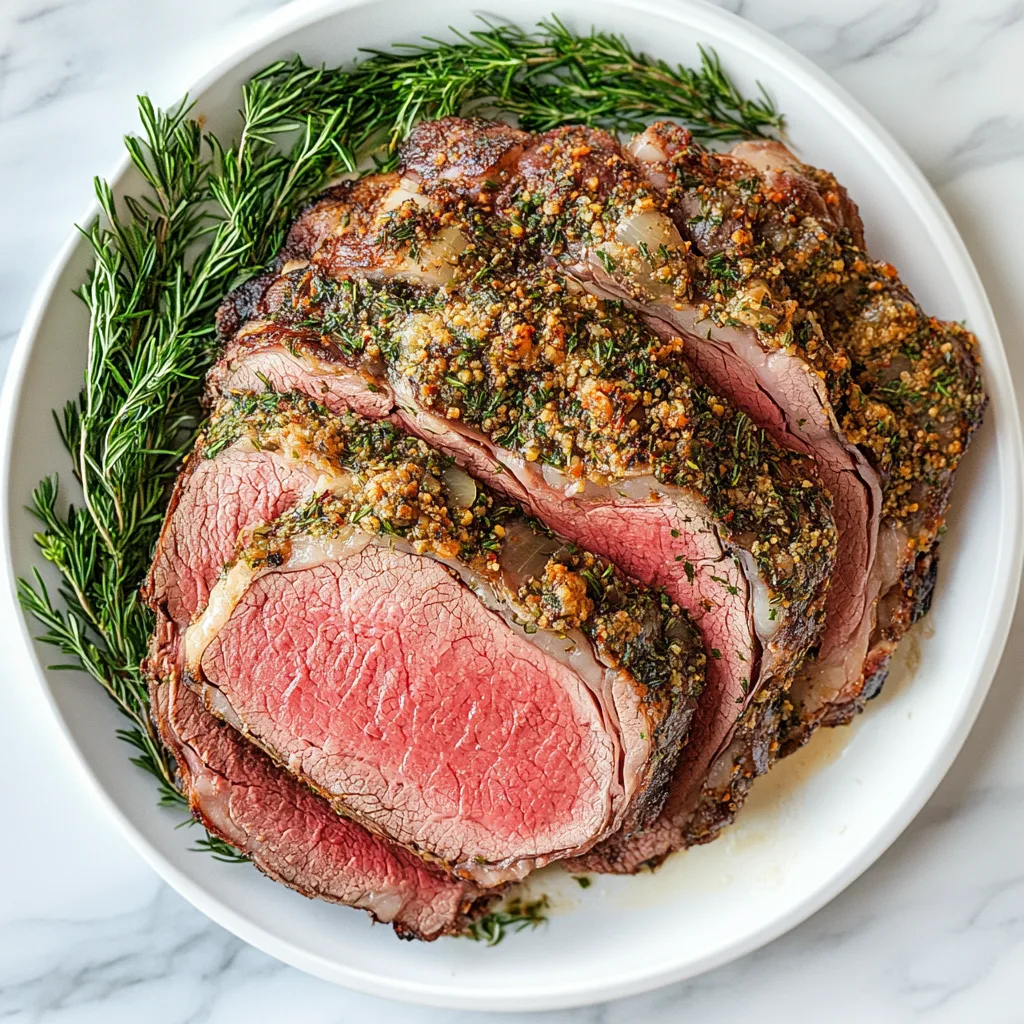
Table of Contents
Recipe
Print
The Pioneer Woman’s Best Prime Rib Recipe | Juicy & Flavorful Holiday Roast
- Prep Time: 15 minutes
- Cook Time: 2 hours
- Total Time: 2 hours 30 minutes
- Yield: 6 servings
- Category: Dinner
- Method: Roasted
- Cuisine: American
Description
This Pioneer Woman–style prime rib is juicy, flavorful, and perfectly tender. Coated in a simple herb-salt rub and roasted to perfection, it makes the ultimate holiday centerpiece for Christmas, New Year’s, or any special gathering.
Ingredients
1 (4–6 pound) bone-in prime rib roast
3 tablespoons kosher salt
1 tablespoon black pepper
1 tablespoon garlic powder
1 tablespoon onion powder
1 tablespoon dried rosemary, crushed
1 tablespoon dried thyme
3 cloves garlic, minced
3 tablespoons olive oil or softened butter
Optional: beef broth or red wine for pan jus
Instructions
1. Remove the prime rib from the refrigerator 1–2 hours before roasting.
2. Preheat oven to 450°F (230°C).
3. Mix salt, pepper, garlic powder, onion powder, rosemary, thyme, minced garlic, and olive oil or butter to form a paste.
4. Pat the roast dry and rub the mixture all over the meat.
5. Place the roast bone-side down in a roasting pan.
6. Roast at 450°F for 15–20 minutes to develop a browned crust.
7. Reduce oven temperature to 325°F (165°C) and roast 1 1/2–2 hours, or until internal temperature reaches 120–125°F (49–52°C) for medium-rare.
8. Remove from oven, tent loosely with foil, and rest 20–30 minutes.
9. Slice along the bones to remove them, then carve into thick slices.
10. Optional: Make pan jus by adding beef broth or wine to the pan and simmering while scraping up browned bits.
Notes
Use a meat thermometer for perfect doneness.
Letting the roast rest ensures super-juicy slices.
Pairs perfectly with mashed potatoes, Yorkshire pudding, or roasted vegetables.
Why You’ll Love This The Pioneer Woman’s Best Prime Rib
Perfect for Special Occasions
This prime rib recipe is my go-to centerpiece for holidays and milestone celebrations. The impressive presentation alone makes everyone’s eyes widen when it arrives at the table. I love how it creates an instant sense of occasion—there’s just something about a beautifully crusted prime rib that signals “this meal matters.” The wonderful thing is that while it looks like you’ve spent days preparing, the actual hands-on time is surprisingly minimal. The rich, buttery flavor paired with that perfect medium-rare center creates a meal that guests will talk about long after the dishes are cleared. I’ve served this for Christmas dinners, anniversary celebrations, and even a particularly memorable birthday where my father-in-law nearly wept with joy.
Foolproof Results Every Time
What I adore most about The Pioneer Woman’s approach is how accessible she makes this seemingly intimidating cut of meat. Her method eliminates the guesswork with clear temperature guidelines that ensure perfect doneness. I was terrified the first time I attempted prime rib—afraid I’d ruin an expensive cut of meat—but her technique gave me complete confidence. The low-and-slow roasting method allows the meat to cook evenly from edge to center, while the final high-heat blast creates that mouthwatering crust we all crave. Even if you’re new to cooking large roasts, you’ll find this recipe surprisingly straightforward. The simple seasoning blend enhances rather than masks the natural flavor of the beef, letting the star ingredient truly shine.
Essential Tips & Tricks
Choosing and Preparing Your Roast
Selecting the right cut is your first step toward prime rib perfection. Look for a well-marbled roast with a bright red color and a nice cap of fat on top—this natural basting layer is essential for flavor and juiciness. I prefer bone-in cuts (ask for a “standing rib roast”) as the bones act as a natural rack and insulator. For the most tender result, bring your roast to room temperature before cooking, which typically takes 2-3 hours depending on size.
This crucial step ensures even cooking. Don’t skimp on seasoning time either—I rub mine with kosher salt the night before and refrigerate uncovered, which creates a dry brine effect that concentrates flavors and helps develop that amazing crust. Just before roasting, pat it dry thoroughly and apply your herb butter mixture generously.
Temperature Control Is Everything
The difference between a perfect prime rib and a disappointing one comes down to precise temperature monitoring. Invest in a good digital thermometer with a probe you can leave in during cooking—it’s worth every penny. The Pioneer Woman’s method calls for starting at a low temperature (around 225°F) to slowly bring the meat up to temperature, then finishing with a high-heat sear.
This “reverse sear” technique produces the most consistently perfect results. Remember that carryover cooking will raise the internal temperature by 5-10 degrees after removing from the oven. For medium-rare, I pull mine at 125°F and let it rest. That resting period is non-negotiable—at least 20 minutes and up to 40 minutes for larger roasts. This allows juices to redistribute throughout the meat rather than spilling out when carved.
Serving Ideas & Creative Variations
Classic Accompaniments
Nothing complements The Pioneer Woman’s Prime Rib quite like traditional sides that balance its richness. Creamy horseradish sauce is an absolute must-have—the cool, spicy bite cuts through the meat’s richness beautifully. I make mine with freshly grated horseradish root when I can find it, but prepared horseradish works wonderfully too. For vegetables, try roasted brussels sprouts with bacon or a simple green salad with a bright vinaigrette to cleanse the palate.
Starchy sides like fluffy mashed potatoes or Yorkshire puddings are perfect for soaking up the flavorful au jus. I always reserve the drippings to make a simple but incredible gravy—just skim the fat, add some beef stock and a splash of red wine, then reduce until slightly thickened. These classics never disappoint and create that steakhouse experience right at your dining table.
Modern Twists on Tradition
While the traditional preparation is divine, I love experimenting with flavor variations that give this classic a personal touch. Try creating a compound butter with roasted garlic, fresh herbs, and a touch of truffle oil to slather on before roasting. For something unexpected, consider a coffee and black pepper crust that creates a gorgeous bark similar to brisket.
Another favorite variation is adding a layer of mushroom duxelles under the fat cap—the earthy umami flavor infuses into the meat as it cooks. For serving, consider transforming leftover prime rib into incredible sandwiches with caramelized onions and melted gruyère on crusty bread. I’ve even served thin slices over risotto with a drizzle of aged balsamic for a luxurious twist on Italian comfort food. These variations keep this classic feeling fresh and exciting.
Storage & Troubleshooting Guide
Proper Storage for Leftovers
Properly stored prime rib can maintain its delicious flavor for several days. Allow any leftover meat to cool completely before refrigerating, but don’t leave it at room temperature for more than two hours. I prefer slicing only what we’ll eat immediately and storing the remaining roast whole—this helps retain moisture. Wrap tightly in plastic wrap first, then aluminum foil, or place in an airtight container. Refrigerated prime rib stays good for 3-4 days.
For longer storage, freeze individual portions wrapped in freezer paper, then sealed in freezer bags with the air pressed out. When reheating, avoid the microwave which can turn your perfect prime rib tough and dry. Instead, wrap slices loosely in foil with a splash of beef broth and warm in a 250°F oven just until heated through—usually 15-20 minutes.
Fixing Common Problems
Even experienced cooks occasionally encounter challenges with prime rib. If your roast has an overcooked exterior but is still raw in the center, your oven temperature was likely too high. Next time, start lower and slower. For a roast that’s overcooked throughout, slice it very thinly and serve with extra au jus to add moisture. If you find the flavor lacks depth, try enhancing your next roast with umami-rich ingredients like soy sauce or fish sauce in the rub—they won’t make it taste Asian, just more savory.
A common issue is insufficient browning; solve this by thoroughly patting the meat dry before searing and ensuring your oven reaches proper temperature. For a roast that’s done earlier than expected, don’t panic—prime rib can rest for up to 2 hours wrapped in foil, then a towel, and placed in a cooler to maintain temperature.
Frequently Asked Questions
What makes The Pioneer Woman’s Prime Rib recipe different?
The Pioneer Woman’s approach uses a perfect balance of simple seasonings with precise temperature control. Her method creates an exceptional crust while maintaining a juicy, evenly-cooked interior that’s foolproof even for beginners.
How much prime rib should I buy per person?
Plan for about ¾ pound per person for bone-in roasts (½ pound for boneless). This accounts for shrinkage during cooking and ensures generous portions with a little leftover for sandwiches.
Can I prepare any parts of this recipe ahead of time?
Absolutely! Season your roast up to 24 hours in advance and refrigerate uncovered. Prepare compound butter and sides the day before, so you can focus on perfect cooking timing.
What’s the best way to carve prime rib?
If bone-in, remove the entire bone section first by cutting along the bones. Then slice the roast across the grain into ½-inch thick pieces for the perfect texture.
What wine pairs best with The Pioneer Woman’s Best Prime Rib?
Bold, full-bodied reds like Cabernet Sauvignon or Malbec stand up beautifully to prime rib’s richness. For something special, aged Bordeaux or Barolo creates a memorable pairing.
Final Thoughts
The Pioneer Woman’s Best Prime Rib isn’t just a meal—it’s a celebration on a platter. What I love most is how this recipe transforms an ordinary Sunday into something extraordinary, creating those precious moments where conversation flows and memories form around the table. The beauty lies in its perfect balance: impressive yet approachable, indulgent yet worth every calorie.
Don’t save this just for holidays—some of my favorite family gatherings have been “just because” prime rib dinners that became the highlight of our month. For more delicious recipe inspiration, check out my Pinterest collection where I save all my favorite special occasion dishes. Your kitchen will be filled with the most incredible aroma, and your heart will be full knowing you’ve created something truly special.