

Christmas vegetables side dishes transform an ordinary holiday meal into a spectacular feast. There’s something magical about a table adorned with vibrant, seasonal veggies that complement the main course perfectly. I’ve spent countless December evenings perfecting my vegetable side dish game, and I’m thrilled to share my absolute favorites with you. These recipes strike the perfect balance between tradition and innovation, bringing color, nutrition, and incredible flavor to your holiday spread. Whether you’re hosting a grand gathering or an intimate family dinner, these vegetable sides will have everyone reaching for seconds before the turkey is even carved! Let me show you how to make your holiday table truly shine.
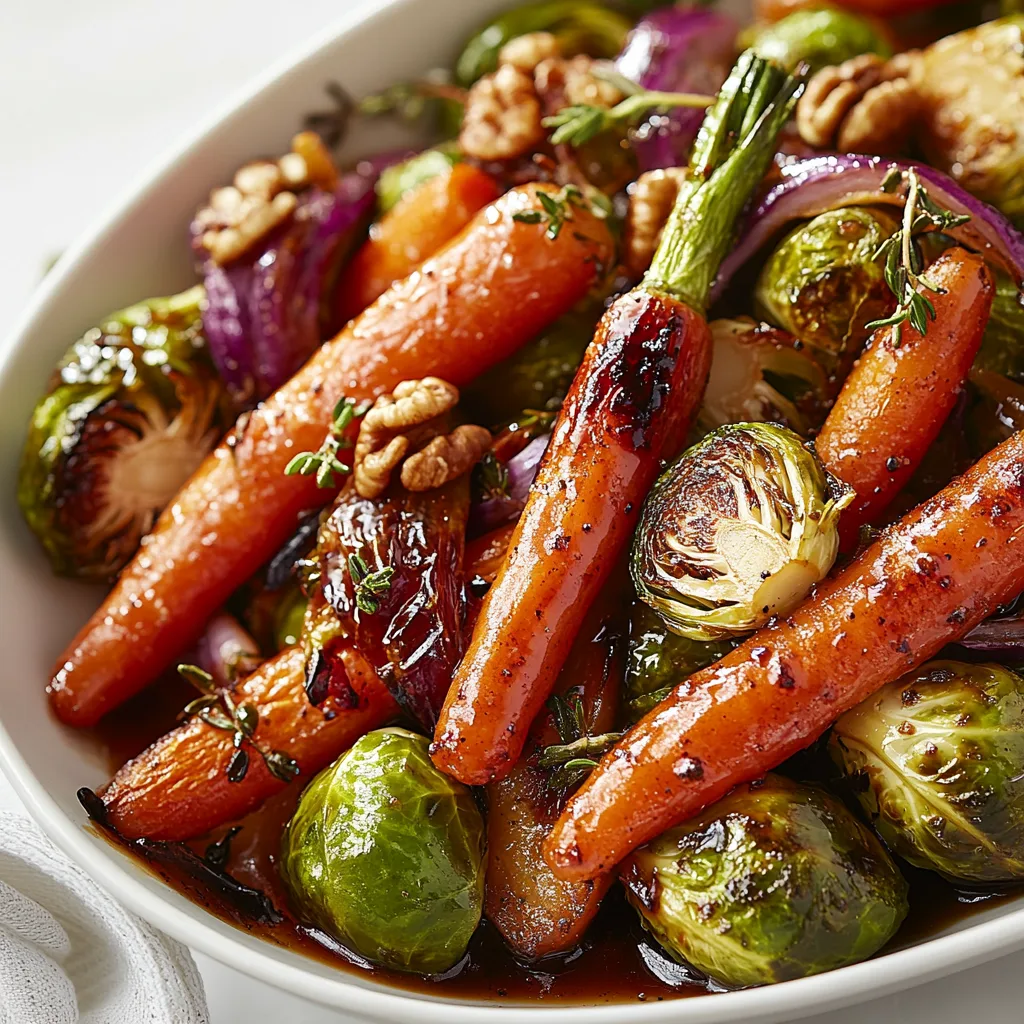
Table of Contents
Recipe
Print
Delicious Christmas Vegetables Side Dishes | Easy Holiday Veggie Recipes
- Prep Time: 15 minutes
- Cook Time: 35 minutes
- Total Time: 50 minutes
- Yield: 6 servings
- Category: Side Dish
- Method: Roasted
- Cuisine: Christmas
- Diet: Vegetarian
Description
A festive collection of easy and delicious Christmas vegetable side dishes. From honey-roasted carrots to garlicky green beans and herb-buttered Brussels sprouts, these cozy veggie sides bring color, warmth, and holiday flavor to your Christmas table.
Ingredients
Base Roasted Veg:
4 cups mixed vegetables (carrots, Brussels sprouts, parsnips, potatoes, green beans)
2 tablespoons olive oil
1 teaspoon salt
1/2 teaspoon black pepper
1 teaspoon garlic powder
1 teaspoon dried herbs (thyme, rosemary, or mixed Italian herbs)
Holiday Glaze Options:
Option 1 – Honey Butter: 2 tablespoons honey + 1 tablespoon melted butter
Option 2 – Maple Mustard: 2 tablespoons maple syrup + 1 teaspoon Dijon mustard
Option 3 – Balsamic Herb: 1 tablespoon balsamic vinegar + 1 teaspoon fresh herbs
Option 4 – Orange Cranberry: 2 tablespoons orange juice + 2 tablespoons dried cranberries
Instructions
1. Preheat oven to 400°F (200°C) and line a baking sheet with parchment.
2. Chop vegetables into even pieces for consistent cooking.
3. Toss vegetables with olive oil, salt, pepper, garlic powder, and herbs.
4. Spread in a single layer on the baking sheet.
5. Roast for 20 minutes, toss, then roast another 15–20 minutes until golden and tender.
6. Choose a glaze option and toss the warm vegetables with it before serving.
7. Transfer to a serving dish and garnish with herbs, nuts, or citrus zest if desired.
Notes
Mix and match vegetables based on what’s available.
Add toasted nuts like pecans or walnuts for festive crunch.
Great alongside turkey, beef, ham, or vegetarian Christmas mains.
Why You’ll Love These Christmas Vegetables Side Dishes
Perfect Balance of Festive Flavors
Christmas vegetable sides should dance between comfort and elegance—something these recipes achieve beautifully. The natural sweetness of roasted root vegetables pairs wonderfully with holiday mains, while bright green veggies add that pop of color every table needs. I love how the caramelization process brings out hidden flavors in humble vegetables like brussels sprouts and parsnips. The gentle char on the edges creates a delightful textural contrast against the tender centers. What makes these dishes truly special is how they incorporate seasonal herbs like rosemary, thyme, and sage that fill your kitchen with that unmistakable holiday aroma. Your guests will appreciate how these sides complement rather than compete with the main attraction.
Time-Saving Preparation Methods
Let’s be honest—holiday cooking can be overwhelming. That’s why I’ve focused on vegetable sides that can be prepped ahead and require minimal attention during the busy cooking day. Many of these recipes involve simple chopping and seasoning before the oven does all the work. I’ve discovered that most roasted vegetable dishes can be prepped up to two days in advance and simply reheated before serving. Sheet pan preparations allow you to cook large batches at once, perfect for feeding a crowd. Even better, many of these sides taste wonderful at room temperature, giving you flexibility with timing. I find this especially helpful when oven space becomes precious real estate on Christmas Day. These practical approaches mean less stress and more time enjoying your loved ones.
Essential Tips & Tricks
Perfecting Roasted Vegetables
The secret to exceptional roasted vegetables lies in a few critical techniques that transform ordinary veggies into caramelized perfection. Always preheat your oven thoroughly—I recommend 425°F for most vegetables to achieve that beautiful golden exterior. Dry your vegetables completely after washing to encourage browning rather than steaming. For even cooking, cut pieces to similar sizes and avoid overcrowding your pan. I’ve learned that giving each piece breathing room makes all the difference in texture. A drizzle of quality olive oil, a generous sprinkle of kosher salt, and freshly ground pepper create the foundation, while fresh herbs like those in this winter greens recipe add dimension. Toss halfway through cooking for even browning.
Balancing Textures and Colors
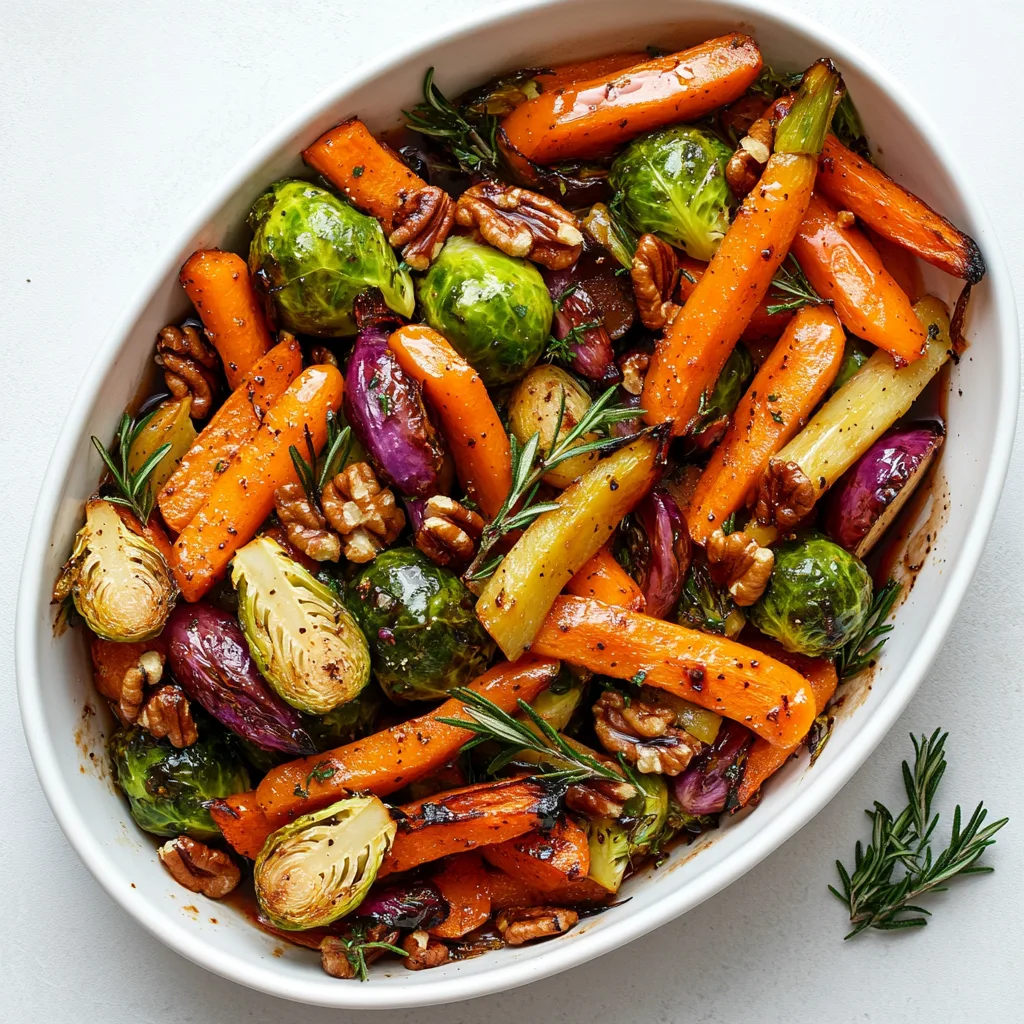
The most memorable Christmas vegetable sides offer a symphony of textures and a visual feast. I always aim to include at least three colors on my holiday table—perhaps the ruby red of roasted beets, the deep green of sautéed kale, and the orange glow of butternut squash. Consider contrasting soft, creamy vegetables (like mashed potatoes or pureed squash) with something crisp or crunchy (like roasted brussels sprouts with toasted nuts). Adding unexpected elements elevates simple sides—try pomegranate seeds scattered over roasted carrots or toasted breadcrumbs atop creamed spinach. The interplay of textures keeps every bite interesting, while the colorful presentation makes your table Instagram-worthy. Remember that we eat with our eyes first, especially during the holidays when presentation matters.
Serving Ideas & Creative Variations
Elegant Presentation Techniques
The way you present your Christmas vegetable sides can elevate them from simple sides to showstopping dishes. I love arranging roasted vegetables in concentric circles on a large white platter—starting with purple beets in the center, then orange carrots, yellow squash, and green brussels sprouts creating a beautiful ombré effect. Consider serving root vegetables in a hollowed-out squash for rustic elegance. Small sprigs of fresh herbs scattered throughout add color and fragrance. Individual ramekins for creamy vegetable gratins give a personal touch that guests appreciate. For family-style serving, wooden boards create a warm, inviting presentation. Finishing touches matter—a drizzle of balsamic glaze, a sprinkle of pomegranate seeds like in this glazed vegetable recipe, or a dusting of freshly grated Parmesan adds that professional flourish.
Customizing for Dietary Needs
Holiday gatherings often bring together people with diverse dietary requirements, making vegetable sides the perfect opportunity to accommodate everyone. Most roasted vegetable dishes are naturally gluten-free and can be made vegan by substituting olive oil for butter. For dairy-free guests, nutritional yeast provides that cheesy flavor without actual cheese, while coconut milk creates creaminess in gratins. When serving guests with nut allergies, substitute seeds like pepitas or sunflower seeds for that essential crunch element. I’ve found that offering a variety of vegetable preparations ensures everyone finds something they can enjoy. Label dishes discreetly with dietary information to help guests navigate the table with confidence. Remember that simple preparations often work best—the natural flavors of quality vegetables shine with minimal intervention.
Storage & Troubleshooting Guide
Proper Storage for Leftovers
Christmas vegetable side dishes often yield delicious leftovers that deserve proper treatment. Store cooled vegetables in airtight containers in the refrigerator within two hours of serving. Most roasted vegetables maintain their quality for 3-4 days when properly refrigerated. For creamy vegetable dishes or gratins, cover with plastic wrap directly on the surface to prevent a skin from forming. When freezing leftover vegetables, blanch them first to maintain color and texture, then cool completely before transferring to freezer bags with the air pressed out. Label everything with the date and contents—holiday leftovers can easily get lost in the shuffle! I find glass containers best for storing roasted vegetables as they won’t absorb flavors or stain. Reheat gently in a 350°F oven rather than microwaving to maintain texture and prevent sogginess.
Fixing Common Vegetable Cooking Issues
Even experienced cooks encounter challenges with vegetable sides. If your roasted vegetables turn out soggy instead of crisp, the likely culprits are overcrowding the pan or not drying vegetables thoroughly before roasting. The solution is simple—use more baking sheets and give those veggies space! For vegetables that cook unevenly, cut denser vegetables (like carrots or potatoes) smaller than quick-cooking ones (like zucchini). If your vegetable gratin has separated or curdled, stabilize the sauce with a cornstarch slurry next time. Vegetables looking lackluster? A splash of acid—lemon juice, vinegar, or even pickle brine—brightens flavors instantly. For bland vegetables, don’t underestimate the power of proper seasoning throughout cooking, not just at the end. Remember that most vegetables continue cooking after removal from heat, so slightly undercook for the perfect texture.
Frequently Asked Questions
What are the most traditional Christmas vegetables side dishes?
Traditional Christmas vegetable sides include roasted brussels sprouts, glazed carrots, creamed spinach, and potato-based dishes. These classics offer comfort and nostalgia while complementing the richness of holiday mains like turkey or ham.
How far in advance can I prepare vegetable side dishes?
Most vegetable sides can be prepped 1-2 days ahead. Chop, season, and store raw vegetables in the refrigerator, then roast before serving. Gratins and casseroles can be assembled completely and refrigerated until baking time.
What’s the best way to keep vegetables warm without overcooking them?
Hold cooked vegetables in a 200°F oven, covered loosely with foil. For longer periods, use a slow cooker on the “warm” setting. Always uncover just before serving to prevent condensation from making vegetables soggy.
How can I make my Christmas vegetables side dishes look more festive?
Add visual appeal with colorful ingredients like pomegranate seeds, cranberries, or citrus zest. Garnish with fresh herbs, toasted nuts, or edible flowers. Serve in holiday-themed dishes or arrange in the shape of wreaths or trees.
Which Christmas vegetables side dishes work best for a large crowd?
For large gatherings, choose sheet pan roasted vegetables, make-ahead gratins, or slow cooker sides. These Christmas vegetables side dishes can be prepared in bulk and maintain quality even when made several hours before serving.
Final Thoughts
Christmas vegetables side dishes deserve just as much attention as the centerpiece turkey or ham. They bring balance, nutrition, and vibrant color to what can otherwise be a heavy meal. I hope these recipes inspire you to elevate your holiday vegetables from afterthought to spotlight-worthy creations. The beauty of these sides is their versatility—they complement any main dish while accommodating various dietary needs. Whether you’re roasting, braising, or creating creamy gratins, the key is quality ingredients and thoughtful preparation. I’d love to see how your Christmas vegetable sides turn out! Share your creations with me on Pinterest and let me know which became your new holiday tradition.