

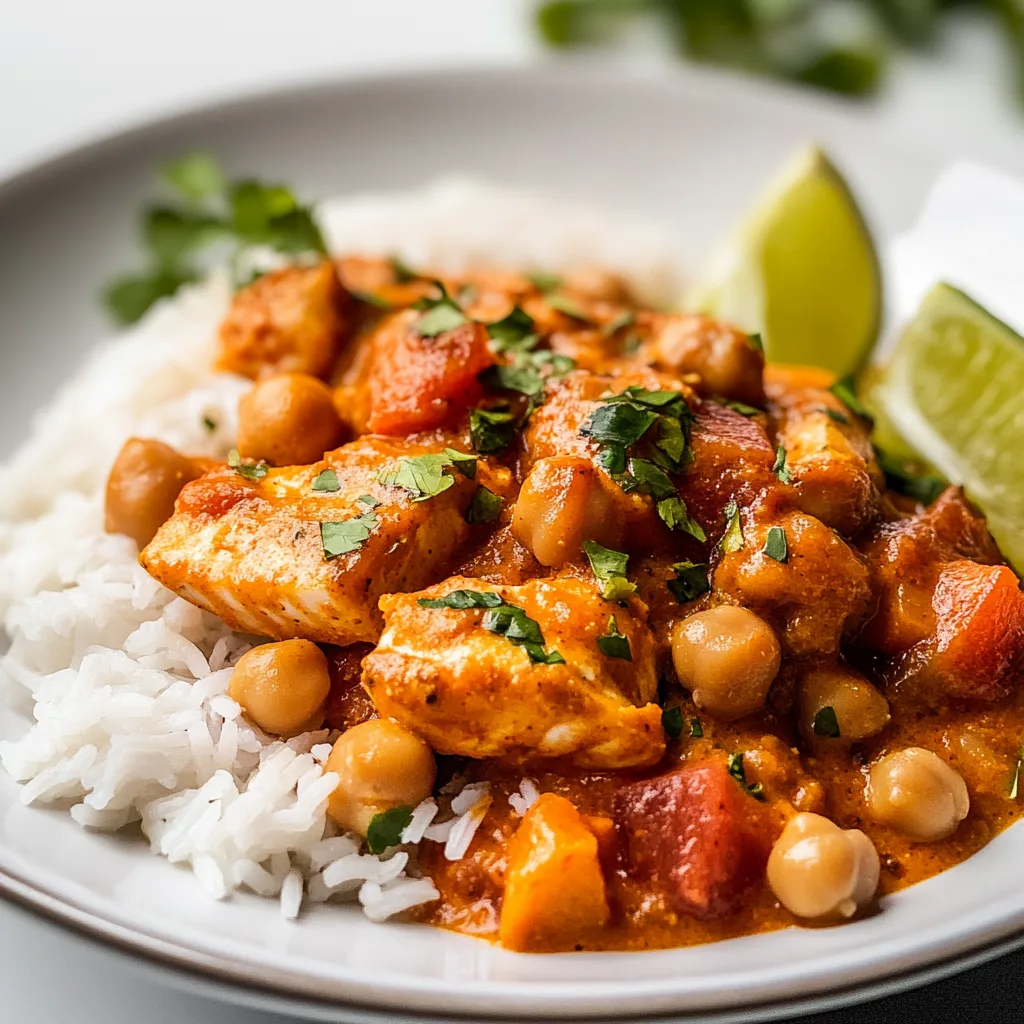
Slow Cooker Fish and Chickpea Curry brings the warmth of Indian spices together with tender fish and hearty chickpeas in the most effortless way possible. As the curry simmers in the slow cooker, your kitchen fills with an intoxicating aroma of ginger, garlic, and garam masala that makes even the chilliest day feel cozy. I love how this dish transforms simple ingredients into something truly special—the fish becomes perfectly flaky while absorbing all those gorgeous flavors. When I’m craving comfort food with a touch of exotic flair, this is my go-to recipe that never fails to impress dinner guests. Check out my other slow cooker favorites for more inspiration!
Table of Contents
Recipe
Print
Easy Slow Cooker Fish and Chickpea Curry Recipe | Healthy & Flavorful Dinner
- Prep Time: 10 minutes
- Cook Time: 6 hours
- Total Time: 6 hours 10 minutes
- Yield: 4 servings
- Category: Dinner, Slow Cooker, Curry
- Method: Crockpot
- Cuisine: Indian-Inspired, Fusion
Description
This Easy Slow Cooker Fish and Chickpea Curry is a healthy, flavor-packed dinner featuring flaky white fish, tender chickpeas, creamy coconut milk, and fragrant curry spices. It’s a fuss-free, nutrient-rich meal made right in your crockpot.
Ingredients
1 lb white fish fillets (cod, tilapia, or haddock), cut into chunks
1 can (15 oz) chickpeas, drained and rinsed
1 can (14 oz) full-fat coconut milk
1 can (14 oz) diced tomatoes
1 small onion, diced
2 cloves garlic, minced
1-inch piece fresh ginger, grated
2 tbsp red curry paste (or 1 tbsp curry powder)
1/2 tsp turmeric
1/2 tsp cumin
1/4 tsp chili flakes (optional)
Salt & pepper, to taste
Juice of 1/2 lime
Fresh cilantro, for garnish
Instructions
1. Add chickpeas, coconut milk, diced tomatoes, onion, garlic, ginger, curry paste, turmeric, cumin, chili flakes, salt, and pepper to slow cooker. Stir to combine.
2. Cover and cook on LOW for 5–6 hours or HIGH for 2.5–3 hours.
3. In the last 30 minutes of cooking, gently stir in fish chunks.
4. Cover and cook until fish is opaque and flakes easily (20–30 minutes).
5. Add lime juice just before serving.
6. Taste and adjust seasoning.
7. Serve hot, topped with fresh cilantro and optionally over rice or with naan.
Notes
Use firm white fish that holds up well—cod or halibut are ideal.
You can substitute canned chickpeas with cooked lentils or white beans.
For extra veggies, toss in spinach or bell peppers during the last hour.
Why You’ll Love This Slow Cooker Fish and Chickpea Curry
Perfect Balance of Flavors and Textures
This curry achieves that magical balance between rich and light—creamy coconut milk creates a velvety base while tomatoes add just enough acidity to brighten everything up. The chickpeas provide a satisfying bite against the tender fish, creating textural contrast in every spoonful. What I adore most is how the slow cooking allows the spices to bloom fully, creating layers of flavor that would take hours to develop on the stovetop. The gentle heat preserves the fish’s delicate texture while still infusing it with warm spices. It’s comfort food that doesn’t weigh you down—perfect for those nights when you want something deeply satisfying but not heavy.
Effortless Elegance for Busy Days
There’s something wonderfully liberating about preparing a gourmet-worthy meal with minimal effort. Just spend 15 minutes in the morning combining ingredients, then let your slow cooker work its magic while you go about your day. I love coming home to a kitchen filled with aromatic spices—it’s like having a personal chef! The hands-off cooking method means the fish never overcooks (the eternal struggle with stovetop curries), and the sauce develops that authentic depth that makes you feel like you’ve been cooking all day. For busy weeknights or lazy weekends, this curry delivers restaurant-quality flavor without the fuss—proving that elegant meals don’t require constant attention.
Essential Tips & Tricks
Selecting the Perfect Fish
Choosing the right fish makes all the difference in this curry. Firm white fish varieties like cod, haddock, or halibut work beautifully because they hold their shape during slow cooking. Look for thick fillets (about 1-inch) with bright, clear eyes and firm flesh if buying whole. I’ve found that wild-caught options often have superior flavor, but sustainably farmed fish works wonderfully too. The freshness matters tremendously—there should be no “fishy” smell, just a clean ocean scent. For a budget-friendly option, frozen fish fillets work surprisingly well; just thaw them completely and pat dry before adding to prevent excess moisture in your curry. Similar to my Slow Cooker Tuscan Fish Stew, the fish becomes the star.
Mastering the Spice Balance
The spice blend is the heart and soul of this curry. Toast whole spices like cumin seeds, coriander, and cardamom pods in a dry pan before grinding—this simple step releases their essential oils and creates incredible depth. For weeknight ease, a quality pre-made garam masala works beautifully, but adding fresh ginger and garlic is non-negotiable for that authentic flavor. Don’t be afraid to adjust heat levels to your preference; I find one serrano pepper adds pleasant warmth without overwhelming the delicate fish.
Remember that spices bloom differently in a slow cooker—they infuse gradually rather than immediately, so what might seem mild at the start will develop beautifully over hours. Taste and adjust before serving, as sometimes a final squeeze of lemon brightens everything perfectly.
Serving Ideas & Creative Variations
Perfect Pairings for a Complete Meal
This curry begs to be ladled over a bed of fluffy basmati rice that catches every drop of the fragrant sauce. For an authentic touch, serve with warm naan bread for scooping up those last precious bits. I love adding a cooling element like cucumber raita or a simple yogurt with mint—the contrast with the warm curry is divine.
For a lighter option, cauliflower rice works beautifully, soaking up the flavors while keeping things carb-conscious. A side of simple steamed vegetables like peas or green beans adds color and freshness. When hosting, I arrange small bowls of toppings—toasted coconut flakes, fresh cilantro, sliced chiles, and lime wedges—so everyone can customize their bowl. This serving style, similar to my Cozy Crockpot Coconut Fish Curry, always impresses guests!
Exciting Twist on Traditional Curry
Don’t hesitate to make this recipe your own with creative substitutions. Swap chickpeas for red lentils for a different texture, or mix in spinach during the last 30 minutes for added color and nutrition. For a Southeast Asian twist, add lemongrass and lime leaves to the base, then finish with Thai basil instead of cilantro. Seafood lovers can transform this into a mixed seafood curry by adding shrimp or scallops in the last 30 minutes of cooking.
Vegetarians can omit the fish entirely and double the chickpeas or add cubed firm tofu. For special occasions, a splash of coconut cream instead of milk creates luxurious richness. My family loves when I add diced sweet potato—it absorbs the curry flavors beautifully while adding natural sweetness that balances the spices perfectly.
Storage & Troubleshooting Guide
Proper Storage for Leftover Curry
Storing this curry properly ensures you can enjoy those developed flavors even more intensely the next day. Allow leftovers to cool completely before transferring to airtight containers—this prevents condensation that could make the curry watery. Refrigerate for up to 3 days; the flavors actually improve overnight as the spices continue to meld. For freezing, I recommend removing the fish portions first and freezing the curry base separately—this prevents the fish from becoming mushy upon reheating.
When ready to enjoy, thaw overnight in the refrigerator and gently reheat on the stovetop over medium-low heat, stirring occasionally. Add a splash of coconut milk if needed to refresh the sauce, and finish with fresh herbs to brighten the reheated curry. The chickpeas maintain their texture beautifully even after freezing.
Troubleshooting Common Curry Challenges
If your curry sauce seems too thin, remove the lid during the final 30 minutes of cooking to allow some liquid to evaporate. Alternatively, create a slurry with 1 tablespoon cornstarch mixed with 2 tablespoons cold water and stir it in. For curry that’s too thick, simply add more coconut milk or vegetable broth until you reach your desired consistency.
If you accidentally overcooked the fish and it’s falling apart, embrace it—the flaked fish will absorb more flavor and create a different but equally delicious texture. Too spicy? Add a dollop of yogurt or coconut cream to tame the heat. Not spicy enough? Stir in some freshly made chili oil or sambal oelek. If the flavors seem flat, a squeeze of fresh lime juice and a sprinkle of flaky sea salt often brings everything into perfect balance.
Frequently Asked Questions
Can I use frozen fish in my Slow Cooker Fish and Chickpea Curry?
Yes, but thaw it completely first and pat dry with paper towels. Add frozen fish directly and you’ll end up with excess water that dilutes your curry’s flavor and creates an uneven cooking temperature.
How do I prevent the fish from overcooking?
Add the fish during the last 30-45 minutes of cooking time. This ensures the chickpeas and sauce develop flavor while keeping the fish perfectly tender and flaky.
Can I make this curry vegetarian?
Absolutely! Replace fish with extra chickpeas, firm tofu, or hearty vegetables like cauliflower and eggplant. The coconut milk base and spice blend work beautifully with plant-based proteins.
What’s the best slow cooker setting for curry?
Use LOW for 4-5 hours for the best flavor development. HIGH setting works in a pinch (2-3 hours), but the gentle, slower cooking creates a more complex flavor profile.
Can I prep this curry ahead of time?
Yes! Prepare everything except the fish and refrigerate for up to 24 hours. Start cooking the base, then add fish in the final cooking stage for perfect texture.
Final Thoughts
This Slow Cooker Fish and Chickpea Curry has become my reliable companion for both weeknight dinners and special gatherings. There’s something magical about the way the slow cooker transforms simple ingredients into a dish worthy of your favorite restaurant—with barely any hands-on time. I love how versatile this recipe is, adapting to whatever fish looks freshest at the market or whatever vegetables need using in my fridge. The aroma that fills your home as it cooks is reason enough to make it! For more cozy slow cooker inspiration, follow me on Pinterest where I’m always sharing new favorite recipes.