

The Best Crockpot Lentil Soup is my ultimate comfort food hack for those days when I want something that feels like a warm hug in a bowl but don’t have time to babysit a pot on the stove. There’s something magical about walking into your home after a long day and being greeted by the aroma of herbs, vegetables, and lentils that have been simmering together for hours. This soup is hearty enough to be a complete meal but still manages to feel light and nourishing. I’ve perfected this recipe over countless chilly evenings, and now it’s become my most requested dish when friends visit. The best part? Your crockpot does all the work while you live your life.
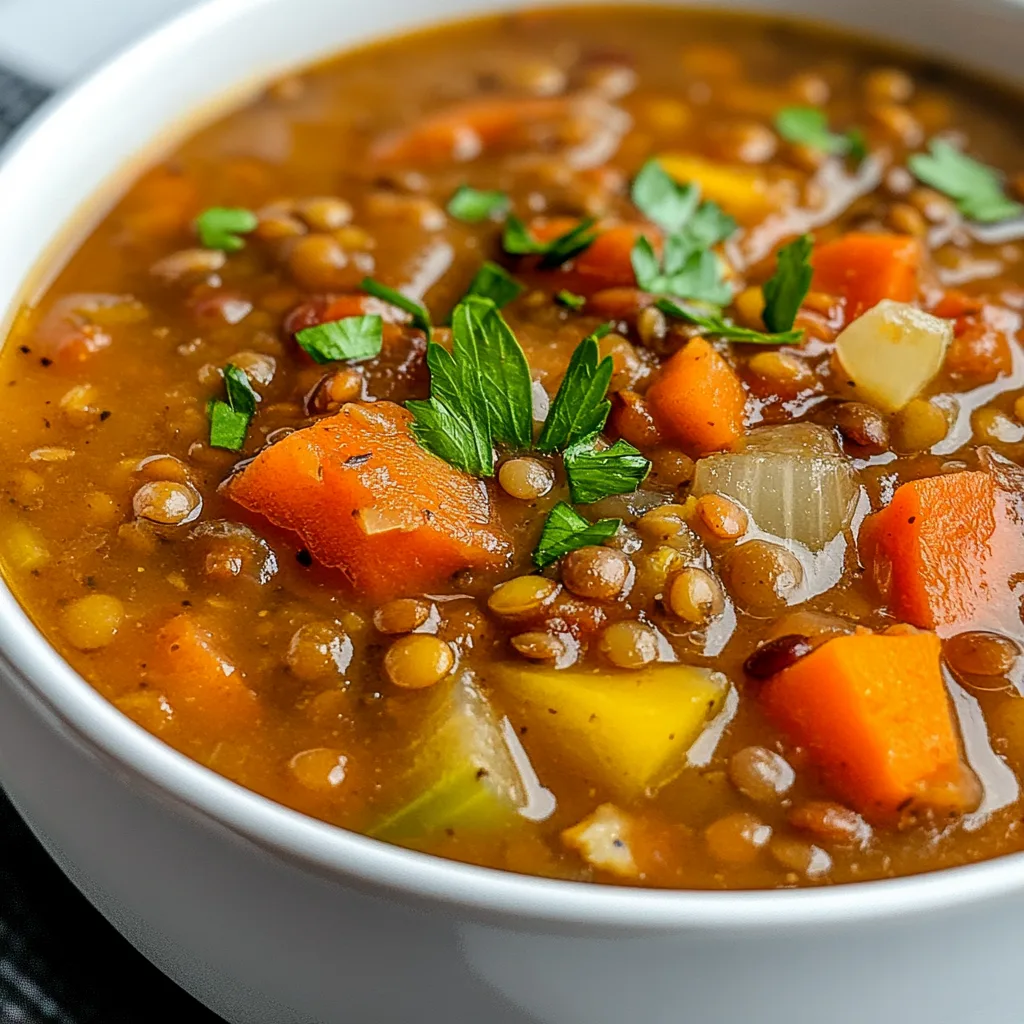
Table of Contents
Recipe
Print
The Best Crockpot Lentil Soup Recipe – Easy, Healthy & Delicious
- Prep Time: 10 minutes
- Cook Time: 8 hours
- Total Time: 8 hours 10 minutes
- Yield: 6 servings
- Category: Soup
- Method: Slow Cooker
- Cuisine: American
- Diet: Vegetarian
Description
This crockpot lentil soup is warm, hearty, and incredibly healthy. Packed with vegetables, tender lentils, and cozy seasonings, it’s an easy dump-and-go slow cooker recipe that makes the perfect wholesome meal for any day of the week.
Ingredients
1 1/2 cups dried brown or green lentils, rinsed
1 onion, diced
2 carrots, diced
2 celery stalks, diced
3 cloves garlic, minced
1 (14.5-ounce) can diced tomatoes
6 cups vegetable or chicken broth
1 teaspoon dried thyme
1 teaspoon dried oregano
1 teaspoon paprika
1 bay leaf
1/2 teaspoon salt (adjust to taste)
1/4 teaspoon black pepper
2 cups chopped spinach or kale (optional)
Juice of 1/2 lemon (optional, for brightness)
Instructions
1. Add lentils, onion, carrots, celery, garlic, diced tomatoes, broth, thyme, oregano, paprika, bay leaf, salt, and pepper to the slow cooker.
2. Stir to combine.
3. Cover and cook on LOW for 7–8 hours or HIGH for 4–5 hours, until lentils are tender.
4. Remove bay leaf.
5. Stir in spinach or kale during the last 10 minutes if using.
6. Add lemon juice for extra freshness if desired.
7. Taste and adjust seasoning before serving.
8. Serve warm with bread or a side salad.
Notes
Brown or green lentils hold their texture best.
For creamier soup, blend 1–2 cups and stir it back in.
Add cooked sausage or shredded chicken for extra protein.
Why You’ll Love This The Best Crockpot Lentil Soup
A Nutritional Powerhouse That Actually Tastes Amazing
This isn’t just another healthy recipe that you’ll force yourself to eat. The Best Crockpot Lentil Soup is packed with plant-based protein and fiber from those tiny but mighty lentils. Each spoonful delivers a satisfying blend of earthy lentils, sweet carrots, and aromatic herbs that have had hours to meld together. I love how the texture becomes incredibly silky after slow cooking, with the lentils maintaining just enough bite to keep things interesting. The flavor develops a remarkable depth that you simply can’t achieve with quick-cooking methods. And let’s be honest—knowing that something this delicious is also nourishing my body makes each bite feel like a little victory.
Effortless Preparation for Busy Lives
If you’re like me, you don’t always have time to stand over a stove stirring. That’s the beauty of this dump-and-go recipe. Just chop a few vegetables, rinse your lentils, and toss everything into the crockpot. The entire prep takes less than 15 minutes—I’ve timed it! Then your slow cooker works its magic while you tackle your to-do list, help with homework, or simply enjoy your day. I often prep this in the morning before work, and by dinner time, I have a restaurant-quality soup waiting for me. The hands-off cooking process reminds me of my Crockpot Creamy Garlic Chicken and Veggies—maximum flavor with minimum effort.
Essential Tips & Tricks
Ingredient Selection Matters
The quality of your ingredients directly impacts the final flavor of this soup. I always use fresh herbs whenever possible—the difference between dried and fresh thyme in this recipe is remarkable. For the lentils, French green or brown varieties hold their shape best during slow cooking, while red lentils will break down more (perfect if you prefer a creamier texture). When choosing vegetables, look for firm carrots and celery with vibrant color. I’ve found that adding a parmesan rind while cooking (if you’re not keeping it vegan) adds an incredible umami depth. And don’t forget that final splash of acid—a squeeze of lemon juice or a drizzle of good balsamic vinegar just before serving brightens everything up.
Timing and Texture Control
The beauty of crockpot cooking is flexibility, but there are still some timing considerations. For the perfect texture, cook on low for 7-8 hours rather than high for 4 hours if you can—the slower cooking really develops the flavors. If you’ll be away longer than 8 hours, add an extra half cup of liquid to prevent the soup from becoming too thick.
I’ve learned (the hard way!) that adding leafy greens like spinach or kale during the last 30 minutes preserves their color and prevents them from disintegrating. For a thicker soup, I sometimes use an immersion blender to partially blend it right in the pot. This creates a luxurious consistency while maintaining some textural contrast, similar to my Slow Cooker Texas-Style Chili technique.
Serving Ideas & Creative Variations
Elevate Your Bowl with Toppings
The right toppings can transform this humble soup into something truly special. My favorite combination includes a dollop of tangy yogurt (Greek yogurt or plant-based), a sprinkle of fresh herbs (cilantro, parsley, or dill all work beautifully), and a drizzle of good olive oil. For texture contrast, try adding homemade croutons, toasted pumpkin seeds, or crispy fried shallots.
When I’m feeling indulgent, I add a swirl of pesto or a sprinkle of crumbled feta cheese. For spice lovers in my family, a few red pepper flakes or a drizzle of chili oil adds pleasant heat. These finishing touches not only enhance the flavor but also make each bowl look like it came from a cozy café rather than your kitchen.
Seasonal and Dietary Adaptations
One of the things I love most about this recipe is how easily it adapts to different seasons and dietary needs. In summer, I lighten it up with fresh garden tomatoes and zucchini, finishing with lemon and herbs. Come fall, I might add diced butternut squash and a pinch of warming spices like cinnamon and nutmeg. For a protein boost, stir in some shredded rotisserie chicken or browned sausage after cooking (though it’s perfectly satisfying without).
To make it creamier without dairy, blend in some coconut milk or cashew cream in the last 30 minutes of cooking. For gluten-sensitive guests, I serve it with these delicious almond croissant bites instead of regular bread—they’re always a hit and complement the soup beautifully.
Storage & Troubleshooting Guide
Proper Storage for Maximum Freshness
This soup actually gets better with time as the flavors continue to meld, making it perfect for meal prep Sunday. Once cooled, store it in airtight containers in the refrigerator for up to 5 days. For longer storage, freeze portions in freezer-safe containers or even silicone muffin trays for single servings. Leave a little space at the top as the soup will expand when frozen.
When reheating, I prefer using the stovetop over microwave—add a splash of broth if it’s thickened too much during storage. For work lunches, I heat it in the morning and keep it in a good-quality thermos where it stays perfectly warm until lunchtime. The convenience of having homemade soup ready to go has saved me from countless takeout temptations.
Fixing Common Issues
Even the most foolproof recipes can sometimes need adjustments. If your soup is too thick or thin, don’t worry—both are easy fixes. For soup that’s too thick, simply add more broth or water until you reach your desired consistency. If it’s too thin, you have several options: let it simmer uncovered for 20-30 minutes to reduce, blend a portion to thicken the base, or add a cornstarch slurry (1 tablespoon cornstarch mixed with 2 tablespoons cold water).
If the flavor seems flat, try adding more salt gradually, a squeeze of lemon juice, or a splash of vinegar to brighten it. For lentils that remain firm after cooking time, your lentils might be older—older lentils take longer to soften, so just continue cooking until they reach your preferred texture.
Frequently Asked Questions
Can I make The Best Crockpot Lentil Soup with canned lentils instead of dry?
While you can use canned lentils, add them during the last 30 minutes of cooking to prevent them from becoming mushy. You’ll also need to reduce the liquid by about half since dried lentils absorb considerable liquid.
What’s the best way to thicken my soup if it’s too watery?
Remove about a cup of soup, blend it until smooth, then stir it back into the pot. Alternatively, mix 1 tablespoon cornstarch with cold water and stir it in during the last 30 minutes of cooking.
Can I prep all ingredients the night before?
Absolutely! Chop all vegetables and store them in the refrigerator. In the morning, just dump everything in the crockpot and turn it on. This makes busy mornings even easier.
Is this soup freezer-friendly?
Yes! This soup freezes beautifully for up to 3 months. Cool completely before transferring to freezer containers, leaving some headspace for expansion.
How can I add more protein to this lentil soup?
Lentils already provide good plant protein, but you can add diced ham, browned sausage, or shredded chicken. For vegetarian options, stir in some quinoa or top with a poached egg before serving.
Final Thoughts
The Best Crockpot Lentil Soup has become my go-to recipe when I want something that feels like self-care in a bowl without spending hours in the kitchen. There’s something deeply satisfying about creating such a nourishing meal with so little active effort. I find myself making this soup at least twice a month, especially during the colder seasons, and I’m constantly tweaking it based on what’s in my pantry or garden.
The versatility and foolproof nature of this recipe make it perfect for both novice cooks and seasoned chefs. For more cozy recipes like this one, check out my Pinterest collection where I save all my favorite comfort food inspirations. I truly believe that good food doesn’t need to be complicated—sometimes the simplest ingredients, given enough time to mingle, create the most memorable meals.